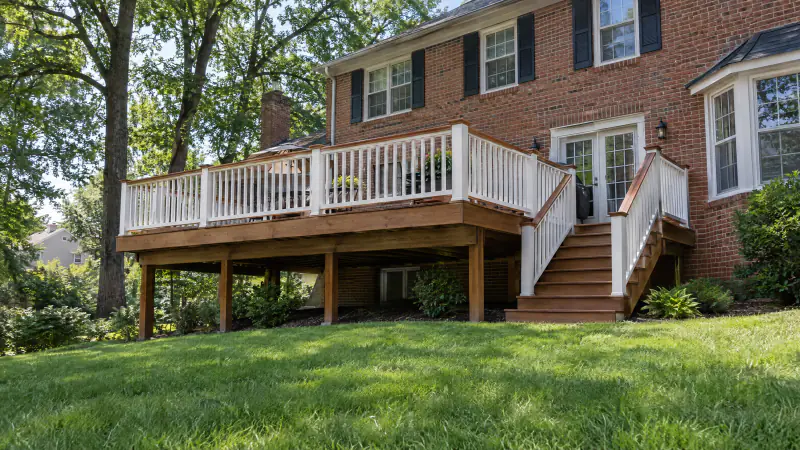
  • Veteran-owned
  • Serving the Northern Virginia area
Call (571) 200-9600 Get an Estimate
Exterior Cleaning

House and Roof Washing in Northern Virginia

House and roof washing is a whole-exterior cleaning of siding, brick, trim, soffits, gutter faces and asphalt shingles, done with low pressure and a cleaning solution. Northern Virginia homeowners book it when shaded walls turn green, roofs show black streaks, or the house needs to look cared for before a sale or repaint.

  • Roof, walls and trim in one visit
  • Low pressure on every surface
  • Landscaping protected before any solution goes on
  • Veteran-owned
  • Licensed & insured in Virginia
  • Based in Sterling, VA
  • Residential projects only
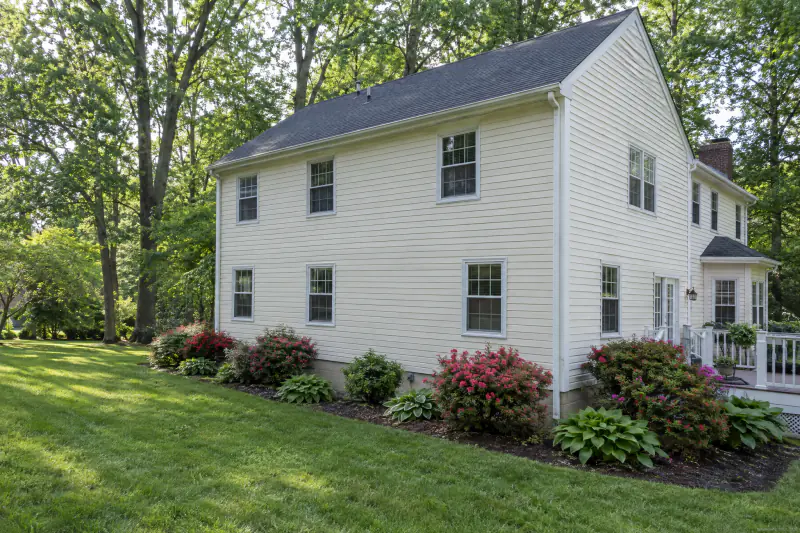
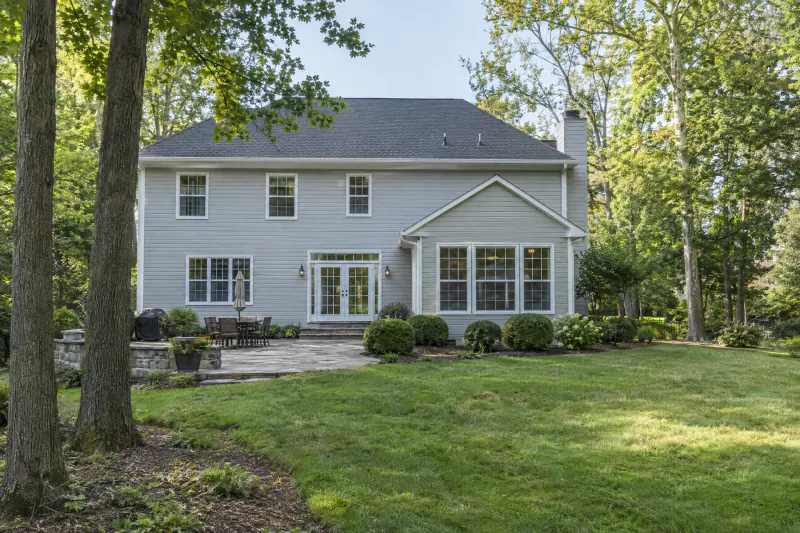
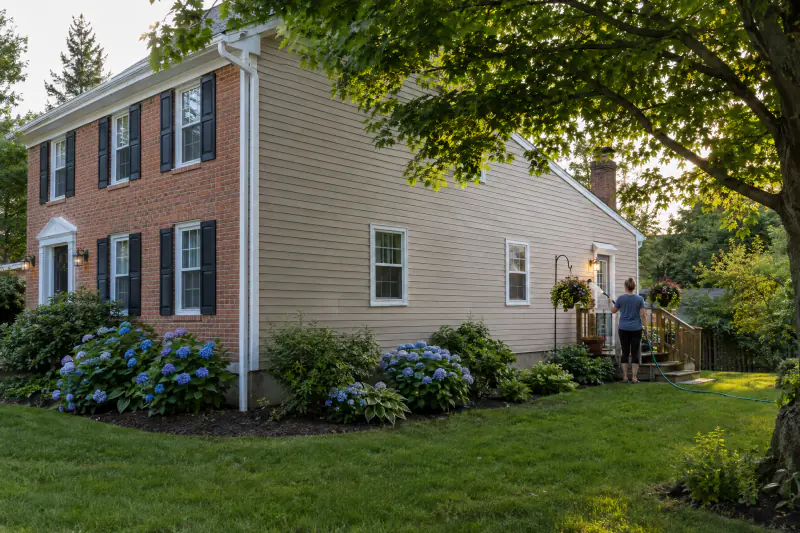
Rear of a two-story house with clean gray siding and roof after house washing
Walls, gutters and roof cleaned in the same visit
Time on site
Half a day to a full day
Permit
Usually none needed
Wall wash interval
Often every 1-2 years
Roof clean lasts
Several years, shade dependent

What does a house and roof wash include, and why do homes here need one?

A full house and roof wash cleans every exterior surface above the foundation: roof, siding or brick, trim, soffits, fascia and the outer faces of the gutters. Doing it together matters because whatever rinses off the roof runs down the walls, so walls washed first get dirty again when the roof is done.

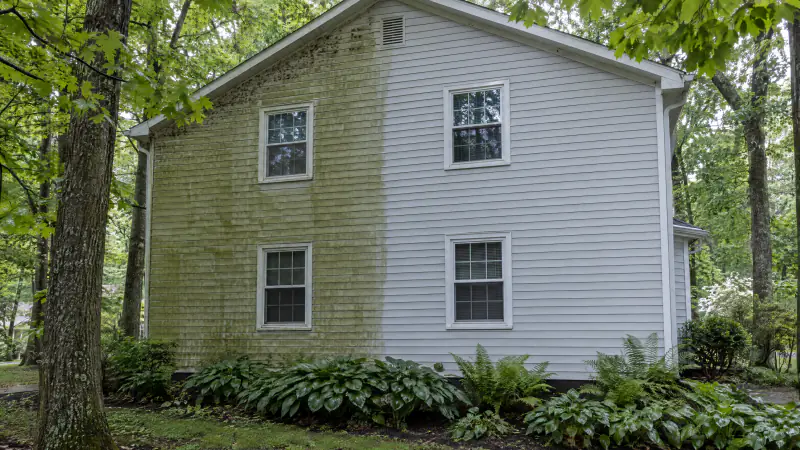
Humid summers and tree shade grow algae and mildew on north walls and under eaves, and rain splashes red clay onto the lowest siding courses. Black roof streaks are usually Gloeocapsa magma, a blue-green algae (a cyanobacterium) carried through the air, with moss and lichen often following on the shadiest planes.

Our soft washing page explains the low-pressure method. This page covers what the whole-house service includes.

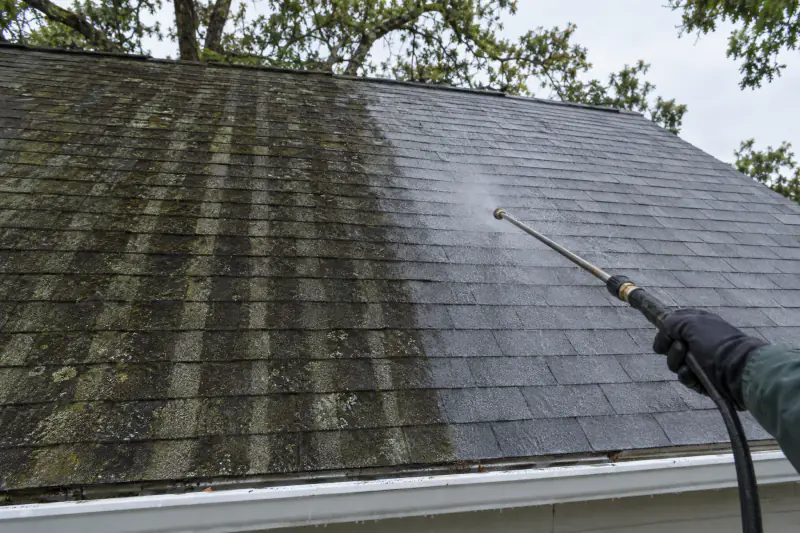
Asphalt shingle roof half treated for black algae streaks during roof washing
Streaked shingles beside a freshly treated section

What parts of the house are cleaned in a whole-house wash?

A complete wash covers five areas, each with its own prep.

  • Vinyl and fiber-cement siding

    Siding is cleaned from foundation to soffit, including shaded lower courses where clay splash and mildew collect. We rinse along the laps, not up into them, and note peeling paint first.

  • Brick and stone fronts

    Algae and mildew on brick and stone are treated without forcing water into mortar. Efflorescence, rust and paint overspray are different stains, and we say up front whether they will come out.

  • Soffits, fascia and gutter faces

    Soffits collect cobwebs, wasp nests and mildew. Dark vertical stripes on gutter faces often need a dedicated cleaner and hand work, so they may be priced separately.

  • Asphalt-shingle roof

    Black streaks, moss and lichen are treated from the eaves or roof edge without pressure or scrubbing, once we confirm the gutters and downspouts flow freely.

  • Windows, doors and trim

    Glass, frames, doors and painted trim are rinsed during the wash so no solution dries on them. That leaves glass free of film, though it is not a detailed window cleaning.

How is a whole house and roof wash done?

Most of the visit goes into protection and working top down.

  1. Walk-around and written scope

    We walk every side, identify each siding and roofing material, note loose trim, open seams and outdoor outlets, and check where downspouts discharge. You get a written scope.

  2. Prepare the house and yard

    Windows and doors are closed, furniture and grills moved, outlets and fixtures covered, and shrubs, beds and lawn edges soaked with water so they absorb as little solution as possible.

  3. Roof first

    The roof is treated before the walls, so streaked runoff lands only on surfaces not yet cleaned, and we watch the downspouts while it drains so runoff goes where planned.

  4. Walls, trim and gutter faces

    Siding, brick, soffits, fascia and gutter faces are washed one side at a time at the strength each material needs, then rinsed top down so nothing dries in streaks.

  5. Rinse down and review

    Plants get a final heavy rinse, coverings come off and furniture goes back. We walk the house with you and point out anything that did not clean fully.

Roof algae streaks beside a treated shingle section

A slow pan across an asphalt shingle roof mid-treatment, moving from dark algae streaks to evenly treated shingles as a gentle mist settles and runoff trickles toward the gutter.

Which parts of a house should not be pressure washed?

High pressure suits concrete, but most of a house is safer cleaned at low pressure.

SurfaceWhat high pressure can doHow we clean it instead
Vinyl sidingForces water behind panels if aimed upwardLow-pressure rinse along the laps
Fiber-cement sidingCan damage boards and their finishGentle solution, soft rinse
Brick and mortarCan erode mortar and brick facesLonger dwell, low-pressure rinse
Asphalt shinglesStrips protective granulesNo pressure, no scrubbing
Windows and doorsCan damage insulated-glass sealsRinse aimed away from seals
Painted wood trimLifts paint, raises the grainMild mix, hand detailing

Driveways, walks and patios do suit higher pressure.

How much does house and roof washing cost in Northern Virginia?

As typical Northern Virginia market ranges as of 2026, washing the exterior walls of a single-family home often runs about $350 to $900, with townhouses near the low end. Treating an asphalt-shingle roof commonly adds $500 to $1,500 or more, so doing both in one visit often totals $850 to $2,400 or more. They are regional budgeting figures, not myYardPros prices.

What changes the price:

  • Wall and roof area, and the number of stories
  • Roof pitch, height and safe access
  • How heavy the algae, moss or lichen is
  • Mixed materials, such as a brick front with siding elsewhere
  • Dense foundation plantings

For a figure based on your actual house, book an on-site estimate.

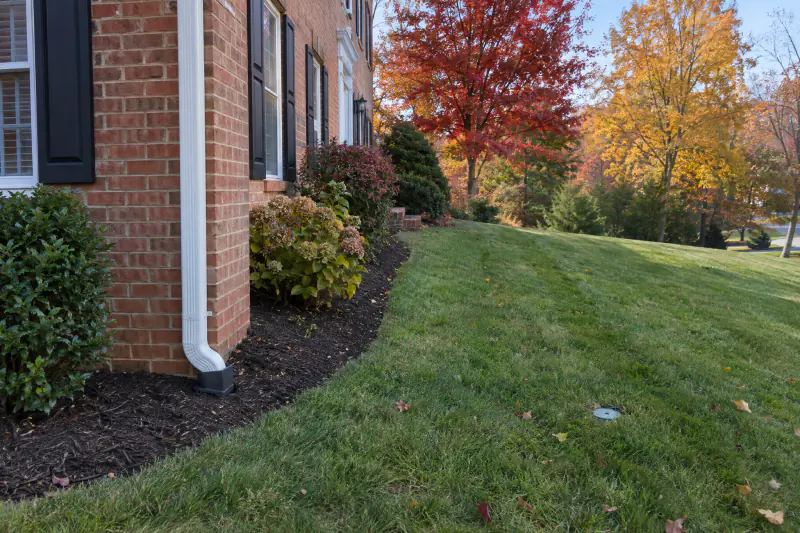
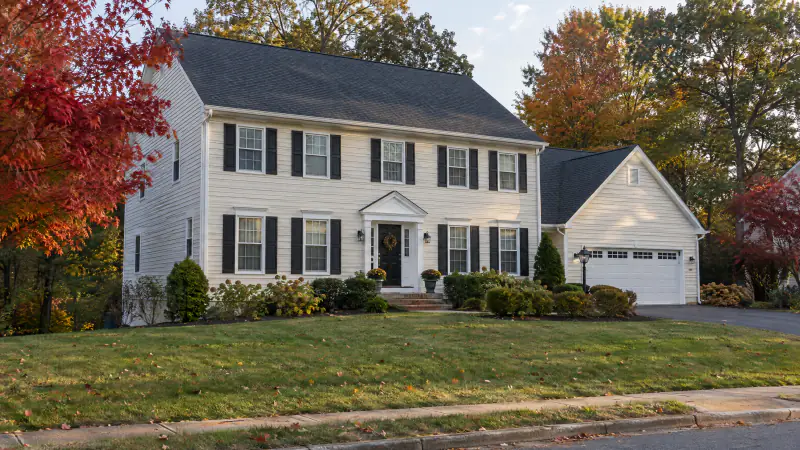
Brick-front home with clean siding, trim and gutters after a whole-house wash
Clean soffits and gutter faces along a shaded side wall

How can you tell a house or roof is due for a wash?

Walk all four sides, because the street side is rarely the worst.

  • The back or north wall looks a shade darker than the street side.
  • Red clay splash stains the bottom few rows of siding along the beds.
  • Cobwebs, wasp nests or gray mildew collect in soffit corners and porch ceilings.
  • Gutter faces show dark vertical stripes when you look up from the yard.
  • You are listing the house, repainting, or expecting an HOA inspection.

Not sure what you need?

Tell us what you are seeing. We will look at the site, explain the options in plain terms and give you a written estimate.

How often do Fairfax, Loudoun, Prince William and Arlington homes need washing?

Most homes here do well with a wall wash every one to two years and a roof treatment every several years, but shade sets the schedule: north walls and anything under oaks and maples go green first. Wooded lots in Reston, Vienna, Burke and Lorton often need more frequent washing than open lots in Leesburg, Haymarket or Woodbridge.

Washing after the heavy spring pollen has fallen, often by late May or June, keeps walls clean longer. No permit is typically needed, though many HOA covenants require exterior upkeep. Before a roof is treated, read the shingle maker's cleaning guidance. If roof runoff dumps at the foundation, consider a downspout discharge line. Decks can follow with deck staining, driveways with pressure washing.

Frequently asked questions about house & roof washing

What causes the black streaks on my roof?

Usually a blue-green algae, a cyanobacterium called Gloeocapsa magma. It travels through the air, settles on shaded roof planes and grows into dark streaks that follow the path rain takes downslope. A low-pressure bleach-based treatment kills it, and the streaks usually lighten the same day.

Should the roof be cleaned before the siding?

Yes, when both are being done. Dead algae and spent solution rinse off the roof and some splashes onto the walls below, so washing the walls first means part of that work is undone. Roof first, then walls, trim and gutter faces leaves everything clean together.

Can you remove the black stripes on my gutters?

Often, but those stripes are not ordinary dirt. Sometimes called tiger stripes, they are a bonded film of grime and weathered gutter coating that a normal wash only lightens. Removing them takes a dedicated cleaner and hand work, and very old gutters may still look uneven.

Will washing the house let water inside?

Not when the work is done at low pressure. Water gets in when a strong jet is aimed up under siding laps, at window seals or into attic vents. We keep the rinse low, aim it downward and away from seals, and close windows first.

What should I do before my house is washed?

Close every window and door, including the garage, and bring pets inside. Move anything fragile off porches. Tell us about known leaks, loose siding, outdoor outlets that do not close, or plants you especially care about, and leave gates open so every side can be reached.

Can the streaks be kept from coming back on my roof?

Not permanently, since new algae keeps arriving, but regrowth can be slowed. Sunnier roof planes stay clean longer. Algae-resistant shingles use copper-containing granules, and zinc or copper strips under the ridge are sometimes added to existing roofs, though their effect is uneven.

From the field notes

Long-form guides on house & roof washing from the crew that does the work, with Northern Virginia costs, timing and permit detail.

All guides in this category  ·  Planning guides  ·  Glossary  ·  FAQ

Ready to talk about your house and roof washing project?

Tell us about your property and what you want to fix or build. We will visit, measure and send a clear written estimate. We serve Fairfax, Loudoun, Prince William and Arlington counties.

Serving Fairfax, Loudoun, Prince William and Arlington counties and the cities inside them. Check your address. Military, veterans, first responders, healthcare workers and teachers: ask about the Heroes Discount.