  • Serving the Northern Virginia area
Call (571) 200-9600 Get an Estimate
Pressure Washing vs. Soft Washing: a Northern Virginia home and yard

Comparison guide

Pressure washing vs. soft washing: what's the difference?

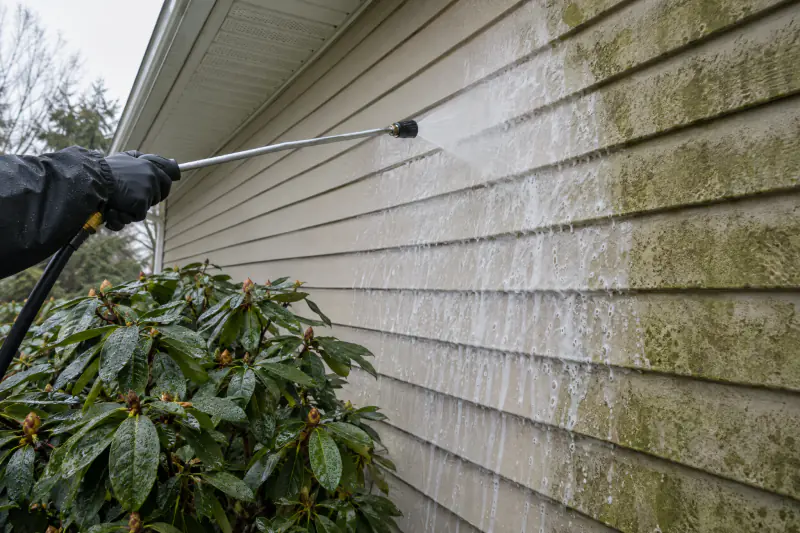
Pressure washing cleans with force: pressurized water lifts growth and dirt from hard surfaces such as concrete. Soft washing cleans with chemistry: a mild detergent solution kills algae and mildew, then a gentle rinse carries it away. On a Northern Virginia home, the driveway and walks get pressure, and the siding, stucco, trim and roof get a soft wash.

What is the difference between pressure washing and soft washing?

The difference is what does the cleaning. In pressure washing, water at high pressure physically strips algae, mildew and grime out of a hard, porous surface. In soft washing, a diluted cleaning solution does the work while it sits on the surface, and the rinse that follows is not much stronger than a garden hose.

It matters because the green film on your siding and the black on your driveway are alive, and the surfaces they grow on are not equally tough. Broom-finished concrete can take thousands of psi. Vinyl siding, painted trim, stucco and roof shingles cannot. Pressure drives water behind panels, lifts paint and knocks the protective granules off shingles. You want the house to look cared for, not to trade algae for damage.

So the question is rarely which method is better. It is which surface you are cleaning. Most homes need both, on different parts. See our pressure washing and soft washing pages for how each visit works.

Pressure washing vs. soft washing at a glance

Pressure washingSoft washing
Cleans byForce of pressurized waterDetergent solution and dwell time
Main toolRotating surface cleaner or wandLow-pressure applicator and rinse
Right forConcrete driveways, walks, patios, pool decksSiding, stucco, painted trim, asphalt shingle roofs
Wrong forSiding, roofs, stucco, soft mortarDeep oil, rust and clay stains in concrete
Main risk if misusedEtching, stripes, water behind sidingPlant damage if landscaping is not protected
Typical result lastsOften 1 to 2 years, less in shadeSiding 1 to 2 years, roofs longer
Typical planning range$150 to $400 for a two-car driveway$350 to $900 for a house wash

Ranges are typical Northern Virginia market figures as of 2026, not myYardPros quotes.

Which method is right for each surface?

Use this as a quick reference, surface by surface.

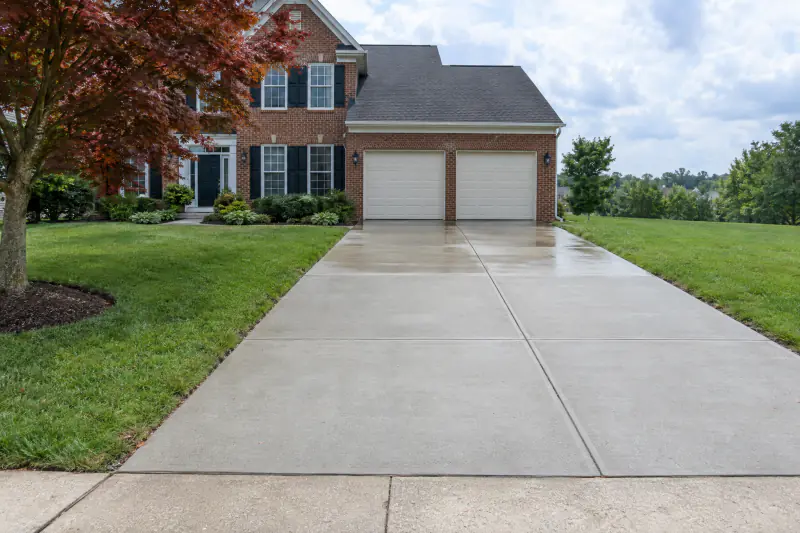
Concrete driveways and sidewalks
Pressure washing with a surface cleaner, plus a pre-treatment for growth and stains. New or flaking concrete gets lower pressure.
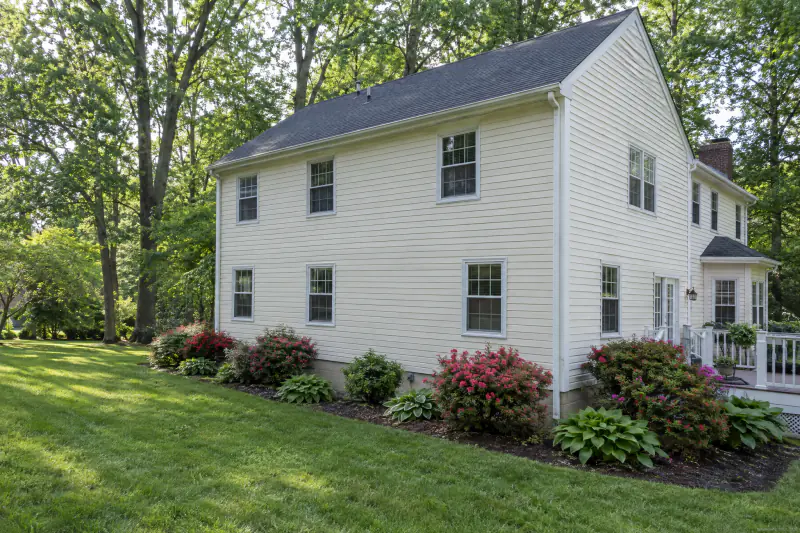
Vinyl, aluminum and fiber cement siding
Soft washing. A mild mix applied from the ground and rinsed gently, so no water is forced up under the laps.
Asphalt shingle roofs
Soft washing only, with no pressure and no scrubbing. Dark streaks usually clear the same day, and moss weathers off over the following weeks.
Stucco and painted wood
Soft washing with a light application and a very gentle rinse. Cracks and failed caulk should be found before any water goes on.
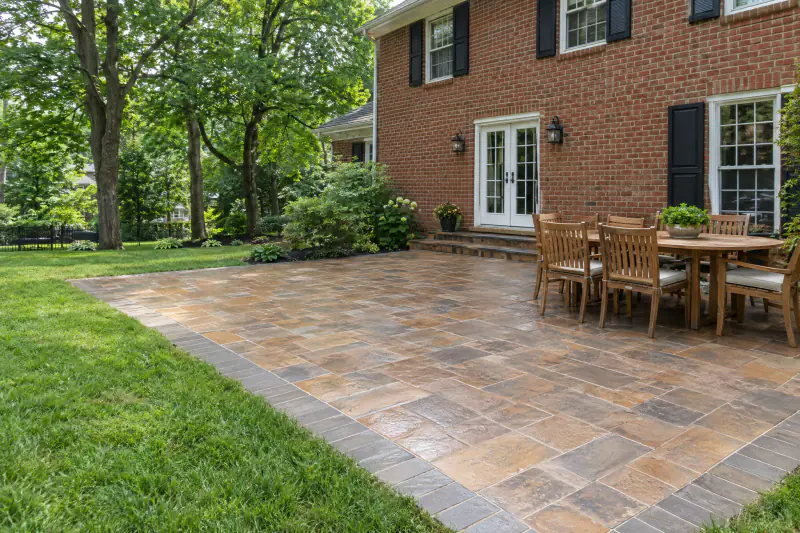
Concrete pavers and brick
Moderate pressure, angled so joint sand stays put, often with a cleaner. Re-sanding and sealing afterward is a separate, related service.
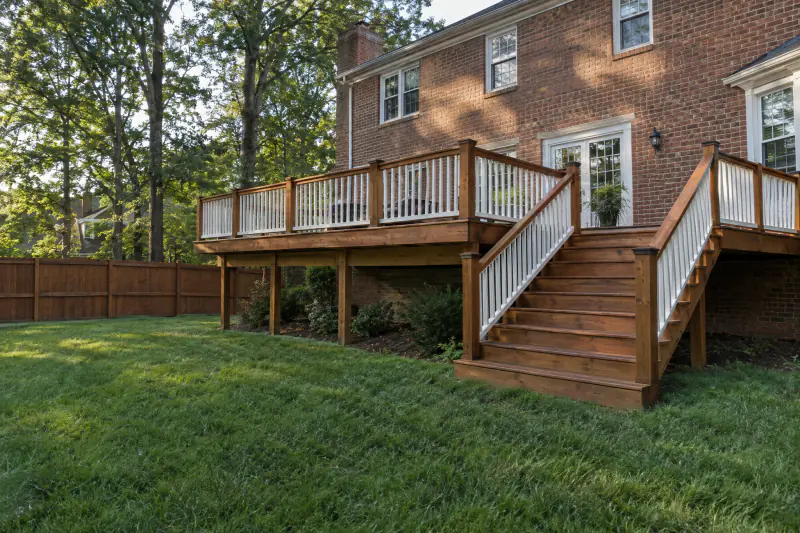
Wood decks and fences
Neither extreme. A wood cleaner, a low-pressure rinse along the grain and a brightener, then drying time before any stain.
Composite decks
A suitable cleaner, a soft brush and a low-pressure rinse. High pressure can mark the cap on the boards.

How much does pressure washing cost compared with soft washing?

The two are priced differently because they clean different things. As typical Northern Virginia market ranges as of 2026, pressure washing a two-car concrete driveway commonly costs about $150 to $400, and adding a front walk, stoop and patio often brings a visit to roughly $300 to $800. A soft-wash house wash typically costs about $350 to $900, and a roof soft wash commonly runs $500 to $1,500 or more. These are planning ranges for typical single-family homes, not myYardPros quotes.

Flatwork is priced mostly by square footage, the weight of the growth and the stains that need their own treatment. House and roof washing move with wall area, number of stories, roof pitch, safe access and how much landscaping has to be protected. Doing the driveway and the house in one visit usually costs less than two separate trips. The cost guide lists ranges for related work such as paver sealing and deck staining. For a figure on your home, request an on-site estimate.

What are the most common exterior cleaning mistakes?

Most of the damage we see comes from using the right machine on the wrong surface.

  • Pressure washing vinyl siding from below, which drives water behind the panels.
  • Using any pressure on asphalt shingles, which strips the granules that protect them.
  • Cleaning concrete with a narrow tip held close, leaving etched lines and stripes.
  • Rinsing with water only, so growth returns from the roots within months.
  • Applying cleaning solution without soaking nearby plants first and rinsing them after.
  • Blasting the joint sand out of a paver patio and not replacing it.
  • Pressure washing peeling paint on an older home, where the paint may contain lead.

Which one should you ask for?

Ask for the result, and let the surface pick the method. Choose pressure washing if the problem is underfoot: a dark driveway, a slippery front walk, a blotchy concrete patio or pool deck. Choose soft washing if the problem is on the house: green siding on the north side, mildew around soffits and trim, dark streaks on the roof, or an HOA notice about any of them.

If the surface is wood or pavers, the answer is a gentler version of both, and it usually belongs to a larger job. See deck and fence cleaning and staining or paver cleaning and sealing. When you call any company, ask one question: what pressure and what solution will you use on each surface of my home? A clear answer for every surface is the sign of someone who will not damage them.

Common questions

Is soft washing just pressure washing with the pressure turned down?

No. Turning the pressure down on plain water gives you a weak rinse that leaves the growth alive. Soft washing relies on a diluted sodium hypochlorite solution with a surfactant that clings to the surface and kills algae and mildew at the root. The low-pressure rinse only carries the residue away.

Can I pressure wash my own house siding if I am careful?

We would not. Even at a distance, a pressure washer aimed upward can push water behind siding, into soffit vents and around window frames, and it cuts visible streaks into oxidized vinyl. A soft wash reaches the second story from the ground and cleans more thoroughly with far less risk.

Which lasts longer, pressure washing or soft washing?

Results depend more on shade and moisture than on the method. Concrete and siding both typically stay clean for one to two years here, and a treated roof often stays streak-free for several years. Cleaning that kills the growth, not only rinses it, lasts longer on any surface.

Is the soft washing solution safe for plants and pets?

With proper care, yes. Plants and soil are soaked with water beforehand so they take up little solution, the mix is kept as mild as the surface allows, and everything is rinsed heavily afterward. Keep pets indoors during the visit and until surfaces have been rinsed and are drying.

Can both be done on the same day?

Usually, and it is the efficient way to do it. The house is typically washed first, so anything rinsed off the walls lands on flatwork that has not been cleaned yet. The driveway, walks and patio follow. One visit also means plants are protected and rinsed once.

Let's talk about your yard.

Tell us what you have in mind. We will walk the property with you, explain your options plainly and put the scope and price in writing.

Serving Fairfax, Loudoun, Prince William and Arlington counties and the cities inside them. Check your address. Military, veterans, first responders, healthcare workers and teachers: ask about the Heroes Discount.