Green streaks on siding and fences in Northern Virginia
Green streaks on vinyl siding or a fence look like a pressure washer job. The siding makers say otherwise. Learn what the growth is, what you can clean by hand, and what to leave to a crew.
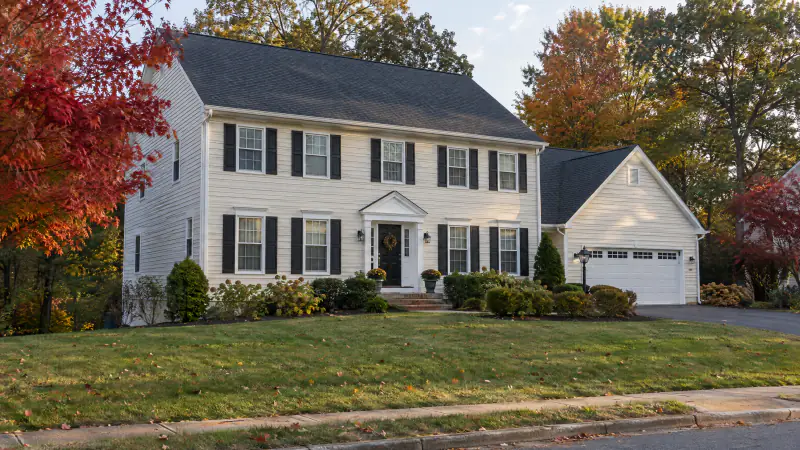
Soft washing is a low-pressure cleaning method that applies a detergent solution to kill algae, mold, mildew and lichen, then rinses it away gently. myYardPros uses it on siding, stucco, painted trim and asphalt shingle roofs for Northern Virginia homeowners with green walls or dark roof streaks, because those surfaces are damaged by ordinary pressure washing.

Soft washing cleans with chemistry and dwell time instead of force, and it exists because most of a house cannot safely take high pressure. Siding is built to shed rain falling downward, not a jet aimed up under its laps. Pressure can push water behind vinyl panels, strip paint, scar wood, pit stucco and knock the protective granules off asphalt shingles.
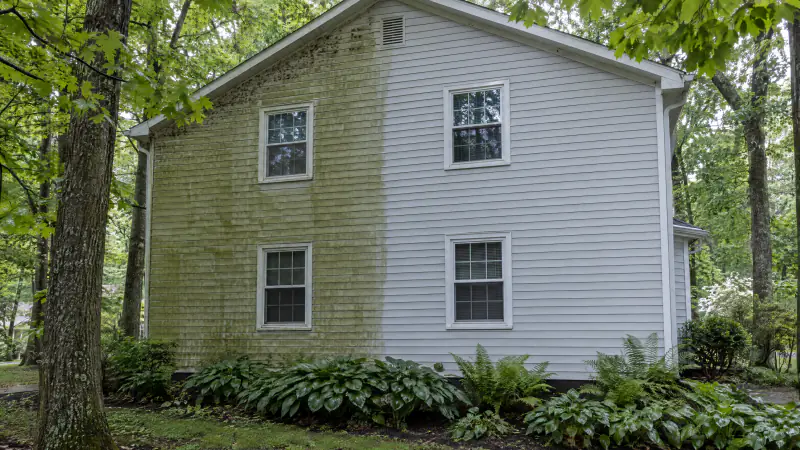
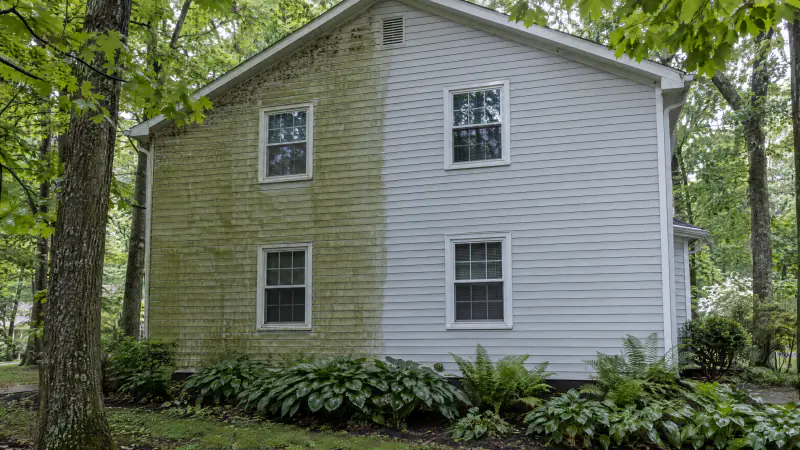
The green film on the north side of a Northern Virginia house is algae, the black speckling is usually mildew, and the dark streaks on roofs are typically a hardy algae that spreads down the slope with rain. All are living growth. A diluted sodium hypochlorite solution with a surfactant that helps it cling kills them where they are rooted, and a gentle rinse carries the residue off.
Driveways, walks and patios are a different job. See pressure washing.

We soft wash the walls and roof of a home, each with its own mix strength.
Vinyl, aluminum, fiber cement and painted wood siding are treated from the ground with a mild mix, along with soffits, fascia, gutter faces, shutters and trim. Windows and doors are rinsed.
Asphalt shingles with dark streaks, moss or lichen get a stronger solution applied without pressure or scrubbing. Streaks usually clear the same day, while moss and lichen release over the following weeks.
Traditional stucco and foam-backed synthetic systems are porous and easily damaged, so they get a light application and a very gentle rinse. We look for cracks and failed sealant first.
Brick fronts, stone veneer and chimneys are treated for algae and mildew without eroding mortar. White mineral deposits and rust are a separate problem that needs a different cleaner.
The cleaning is quick, and most of the care goes into preparation and rinsing.
We identify the siding and roofing materials, note oxidized or loose paint, open seams, failed caulk and exterior outlets, and look at the landscaping and downspouts. Then we provide a written scope.
Windows are closed, fixtures and outlets are covered or avoided, and furniture is moved. We soak shrubs, lawn edges and soil and shield sensitive plants briefly.
The mix is applied to walls from the bottom up so it wets evenly, at a strength matched to the surface. Roofs are treated from a ladder or the roof edge where possible.
The solution works for several minutes while we keep it from drying on the surface. Siding is then rinsed from the top down at low pressure, including windows, doors and metal fixtures.
Landscaping gets a last heavy rinse to dilute anything that reached it. We remove coverings, reset furniture, check the walls as they dry and walk the house with you.
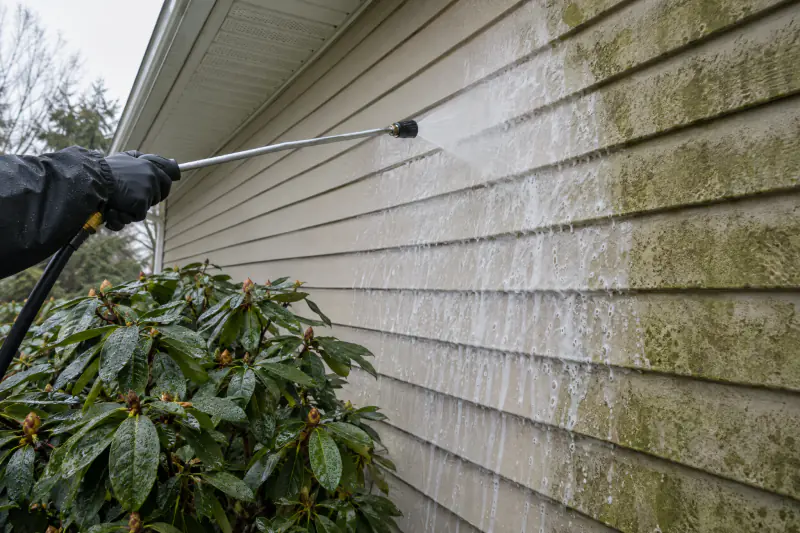
A low-pressure fan of cleaning solution is applied to lap siding and runs down the wall, lightening the green algae film while wetted shrubs drip below.
Mix strength, rinsing and expectations change with the material.
| Surface | How we treat it | What to expect |
|---|---|---|
| Vinyl and aluminum siding | Mild mix, low-pressure rinse | Algae gone the same day. Chalky oxidation on older siding remains. |
| Fiber cement and painted wood | Mild mix, short dwell, gentle rinse | Clean paint film. Peeling paint is not restored by washing. |
| Stucco and synthetic stucco | Light application, very low pressure | Even color. Deep stains may take a second application. |
| Asphalt shingle roof | Stronger mix, no pressure, runoff managed at gutters | Streaks clear quickly. Moss and lichen dry up and weather off. |
| Brick and stone | Moderate mix, longer dwell, thorough rinse | Organic growth removed. Mineral stains are assessed separately. |
Artillery fungus, the tiny black dots thrown from mulch, usually cannot be fully removed by washing.
Look at the shaded sides of the house and the roof planes facing north.
Tell us what you are seeing. We will look at the site, explain the options in plain terms and give you a written estimate.
A soft-wash house wash in Northern Virginia typically costs about $350 to $900 as of 2026, and a roof soft wash commonly runs $500 to $1,500 or more. These are market planning ranges for typical single-family homes, not myYardPros quotes.
Price is driven by the square footage of wall or roof, the number of stories, roof pitch and safe access, and how heavy the growth is. Thick moss or lichen needs a stronger treatment and sometimes a follow-up visit. Dense landscaping against the house adds plant protection time, and stucco or oxidized siding must be handled more slowly.
Request an on-site estimate and we will measure and price the actual surfaces.
Before you decide: Pressure Washing vs. Soft Washing · All cost and pricing guides · How we price a project · How our estimates work

We soft wash homes throughout Fairfax, Loudoun, Prince William and Arlington counties, from wooded lots in Great Falls, Oakton and Clifton to neighborhoods in Ashburn, South Riding and Bristow. No permit is typically required, though many HOAs expect clean siding and roofs and send notices after inspections.
Runoff deserves attention here. Storm drains generally empty into streams that feed the Potomac and the Chesapeake Bay without treatment, so we use the least solution that works and rinse onto lawn and beds where practical. Roof runoff leaves through the downspouts, so we check where they discharge before starting. If yours end at the foundation or flood a bed, consider a downspout discharge line.
Refinishing wood afterward? See deck and fence cleaning and staining.
Yes, when it is done without pressure. Low-pressure application of a bleach-based solution is the general method asphalt shingle manufacturers recommend for algae, and pressure washing is what they warn against because it strips granules. We avoid scrubbing and limit foot traffic on the shingles.
Plant damage is avoidable with proper care. We saturate foliage and soil with water first so plants take up little solution, keep the mix as mild as the surface allows, cover sensitive plants briefly and rinse everything heavily once we finish.
Siding typically stays clean for one to two years here, and a treated roof often stays streak-free for several years. Because the solution kills growth at its roots, results usually outlast a water-only rinse. Heavy shade and overhanging branches shorten the interval.
The main ingredient is sodium hypochlorite, the active component of household bleach, diluted with water and combined with a surfactant that helps it cling and rinse cleanly. Strength varies by surface: mild for siding, stronger for roofs. It breaks down fairly quickly, and thorough rinsing dilutes what remains.
Not fully. That chalk is oxidation, the weathered surface of aging vinyl or painted aluminum, not dirt. Soft washing removes the algae and grime on top without worsening it, whereas high pressure cuts streaks into it. Removing oxidation is a separate, slower hand process.
Moss and lichen die when treated but stay attached for a while. They typically dry out, turn pale or brown and weather off with rain over several weeks to a few months. We do not scrape them off, because that pulls granules from the shingles.
Long-form guides on soft washing from the crew that does the work, with Northern Virginia costs, timing and permit detail.
18 min readGreen streaks on vinyl siding or a fence look like a pressure washer job. The siding makers say otherwise. Learn what the growth is, what you can clean by hand, and what to leave to a crew.
The myYardPros Crew
20 min readSeptember and October are the second washing season in Northern Virginia. Vinyl, fiber cement, brick and stucco each get their own mix, gutters get their stripes scrubbed, and the roof gets treated before the leaves land on it.
The myYardPros Crew
19 min readAlgae on the siding, Gloeocapsa magma on the shingles, mildew around the soffits and lichen on the shady slope. Each is alive, each needs chemistry rather than pressure, and each tells you something about the house.
The myYardPros Crew
All guides in this category · Planning guides · Glossary · FAQ

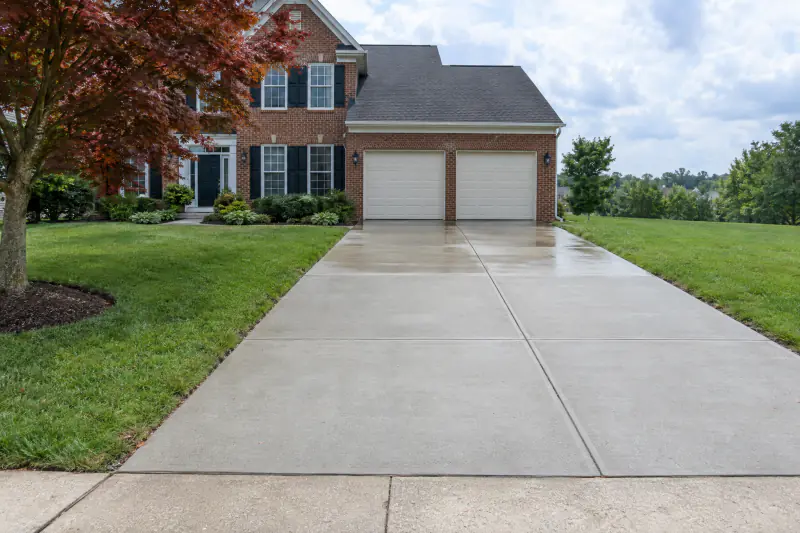
Pressure washing uses pressurized water, usually through a rotating surface cleaner, to lift algae, mildew, dirt and stains from hard flatwork such as concrete driveways, sidewalks, patios and pool decks.
Learn more
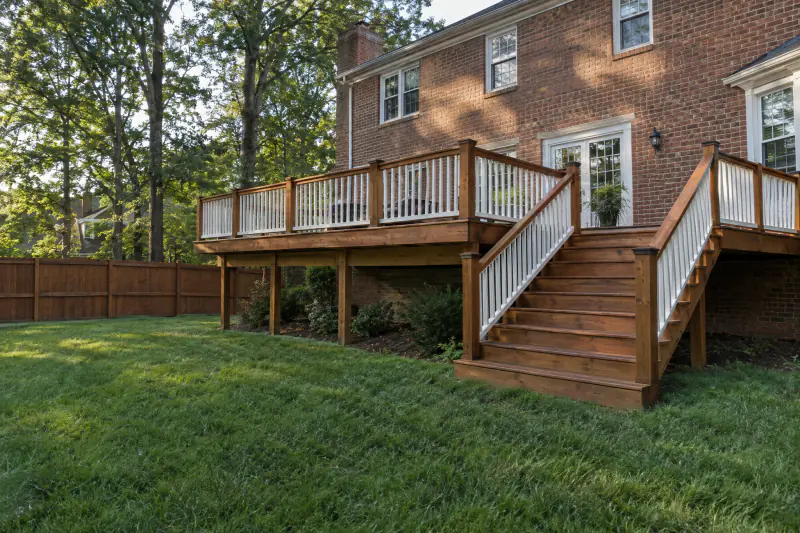
Deck and fence cleaning and staining is the process of washing weathered wood with a wood cleaner at low pressure, brightening it, letting it dry, and applying a stain or sealer that sheds water and blocks sun.
Learn more
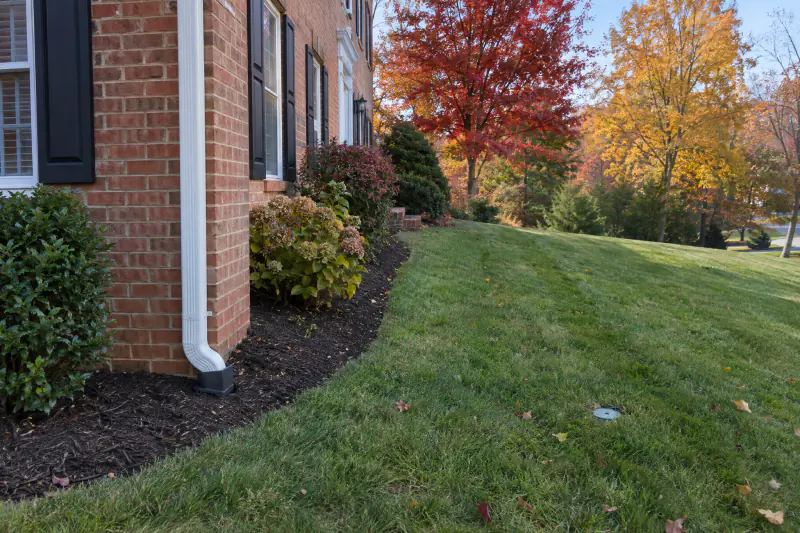
Downspout drainage is buried solid pipe that carries roof water from each downspout, and the discharge from a sump pump, to a pop-up emitter or other outlet well away from the house.
Learn more
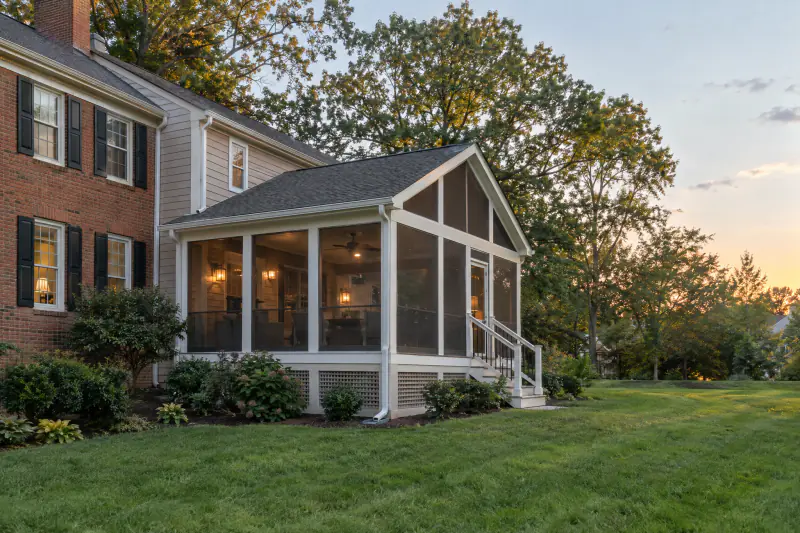
A screened porch is a roofed outdoor room with screened walls, built on a deck-style floor and tied into the house.
Learn moreTell us about your property and what you want to fix or build. We will visit, measure and send a clear written estimate. We serve Fairfax, Loudoun, Prince William and Arlington counties.
Serving Fairfax, Loudoun, Prince William and Arlington counties and the cities inside them. Check your address. Military, veterans, first responders, healthcare workers and teachers: ask about the Heroes Discount.