  • Licensed & Insured VA Licensed Contractor
  • Serving the Northern Virginia area
Call (571) 200-9600 Get an Estimate
Lawn & Landscape

Core Aeration & Overseeding in Northern Virginia

Aeration and overseeding is a seasonal lawn project: a machine pulls plugs of soil to relieve compaction, then new turf-type tall fescue seed is spread so it settles into the holes and thickens the lawn. Northern Virginia homeowners with thin, summer-worn grass on clay benefit most. myYardPros performs it from late August to mid-October.

  • Hollow-tine cores, two passes on clay
  • Tall fescue blends suited to Virginia
  • A seasonal project with no contract
  • Licensed & insured in Virginia
  • Based in Sterling, VA
  • Residential projects only
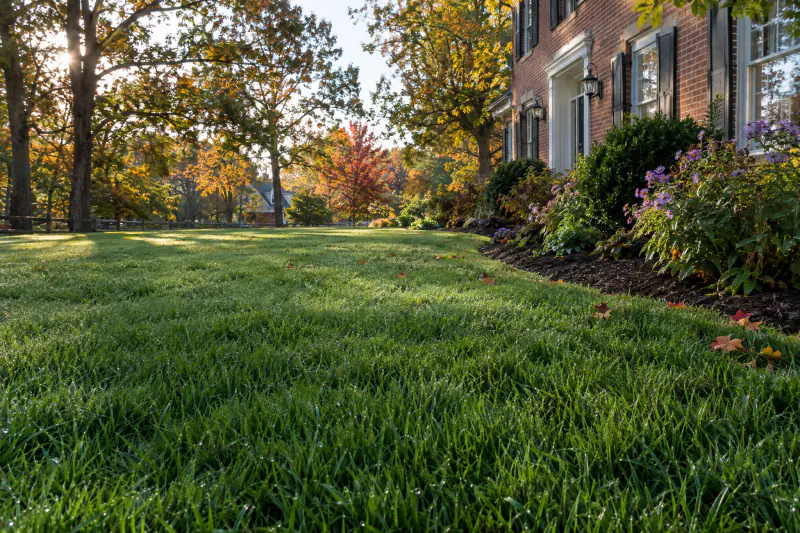
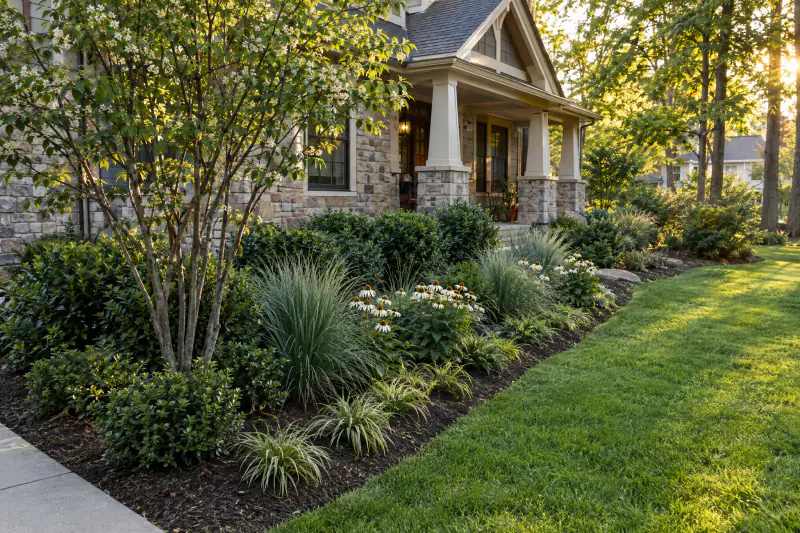
Thick tall fescue lawn in fall after core aeration and overseeding
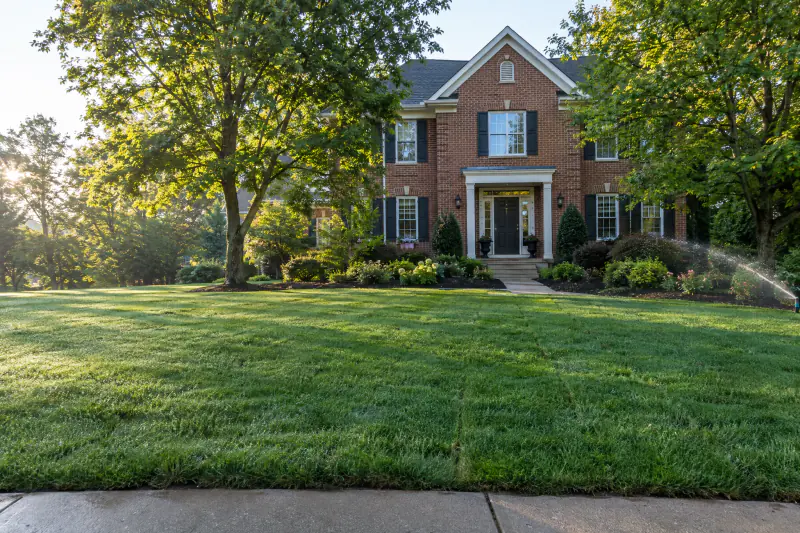
A fescue lawn six weeks after fall overseeding
Typical timeline
A few hours for most lawns
Best window
Late August to mid-October
Seed germination
About 7-14 days with moisture
How often
Most fescue lawns: every fall

Why do Northern Virginia lawns thin out, and how does aeration and overseeding fix it?

Northern Virginia lawns thin out because tall fescue loses plants every summer and cannot replace them. Heat, dry spells, brown patch disease and foot traffic kill individual plants, and because fescue grows in clumps, each gap stays open until crabgrass claims it. Underneath, clay compacts a little more each year, keeping water and air out of the root zone.

Aeration and overseeding addresses both in one visit. A core aerator drives hollow tines 2 to 3 in. into moist soil and lifts out plugs, and we make two passes on compacted clay. Seed is then spread at a rate matched to how thin the lawn is, and much of it settles into the holes, where it stays moist and touches soil. The plugs crumble back into the lawn. Seed thrown onto hard ground mostly dries out or washes away, which is why so many do-it-yourself attempts disappoint.
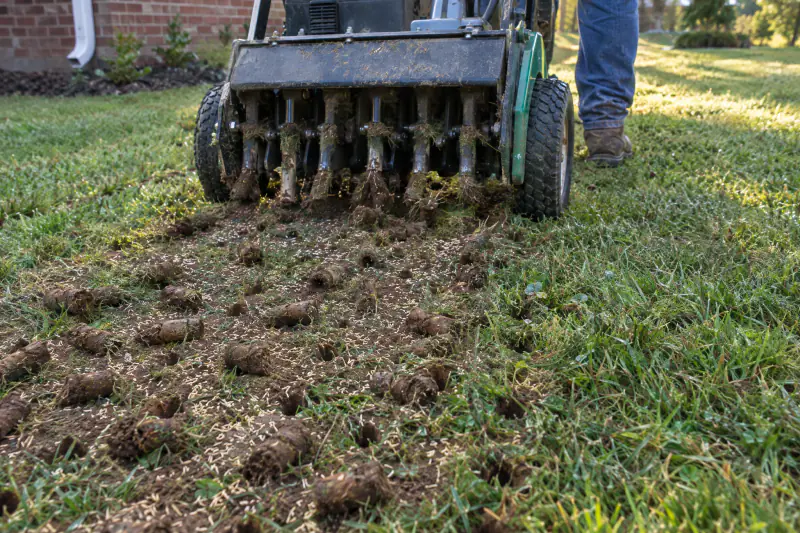
Core aerator pulling soil plugs from a lawn with fescue seed during overseeding
Hollow tines lift plugs so seed reaches soil

What is included in aeration and overseeding?

The core service is aeration and seed, with three additions that suit some lawns.

  • Core aeration

    Hollow tines remove real plugs of soil rather than poking holes with spikes, which only press clay tighter. Sprinkler heads and pet-fence wires are flagged first.

  • Tall fescue overseeding

    A blend of several turf-type tall fescue varieties, so one weakness does not affect the whole lawn. We favor varieties rated well in Virginia and Maryland university trials.

  • Starter fertilizer

    A light application helps seedlings root before winter. Virginia limits phosphorus on established lawns, so we recommend a soil test and use starter products only where establishment calls for them.

  • Compost topdressing

    A thin layer of screened compost raked in after aeration. It improves clay structure and keeps seed moist. It adds real cost, so we suggest it selectively.

  • Lime, by soil test

    Many Northern Virginia soils are acidic, and fescue prefers a pH in the low to mid 6s. A soil test tells us whether lime is needed and how much.

How does an aeration and overseeding visit work?

The work itself is quick, and the preparation and aftercare decide the result.

  1. Lawn assessment

    We look at how much grass remains, shade, slope and how you can water. If the lawn is past the point where seed will fix it, we say so.

  2. Written scope and scheduling

    You receive the lawn area, seed blend and rate, and any fertilizer, lime or topdressing in writing, with a date inside the fall window.

  3. Preparation

    Mow to about 2.5 in. and water the day before if the ground is dry, so tines reach full depth. We flag sprinkler heads on arrival.

  4. Aeration and seeding

    The lawn is aerated in two directions, then seed goes down with a calibrated spreader in a crosshatch pattern, followed by starter fertilizer or compost as agreed.

  5. Aftercare walkthrough

    We show you what was done and leave a written schedule covering watering, first mowing, leaf removal and when weed control can safely resume.

Core aeration pulling plugs from a clay lawn

A short ground-level clip of a core aerator moving across a lawn, lifting soil plugs and leaving open holes where tall fescue seed settles into the soil.

Aeration and overseeding, slit seeding or full renovation: which does your lawn need?

The right approach depends on how much healthy grass is left.

Aeration and overseedingSlit seedingFull renovation
Best whenLawn is thin but mostly grassLarger bare or very thin areasMostly weeds or bare clay
What happensCores pulled, seed broadcastBlades cut grooves and drop seed inOld lawn removed, soil rebuilt
Relieves compactionYesVery littleYes, by tilling and amending
DisruptionLow, plugs fade in weeksModerateHigh, lawn starts over
Relative costLowestLow to moderateHighest

Aeration and slit seeding are often combined on lawns with scattered bare patches.

How much does aeration and overseeding cost in Northern Virginia?

Core aeration with overseeding in Northern Virginia typically costs about $300 to $800 for a suburban lawn of 5,000 to 10,000 sq ft. Adding compost topdressing commonly brings the project to $1,000 to $2,500 or more, because compost is bulky to deliver and spread. These are general market ranges as of 2026, not myYardPros prices.

What moves the number:

  • Lawn area, measured as actual turf rather than lot size.
  • Seeding rate. A very thin lawn needs far more seed.
  • Seed quality. Named, trial-tested varieties cost more than generic blends.
  • Slopes, gates and obstacles.
  • Lime, fertilizer and topdressing.

This is a one-time seasonal project, so there is no plan to sign. For a figure based on your lawn, request an on-site estimate before the fall window opens.
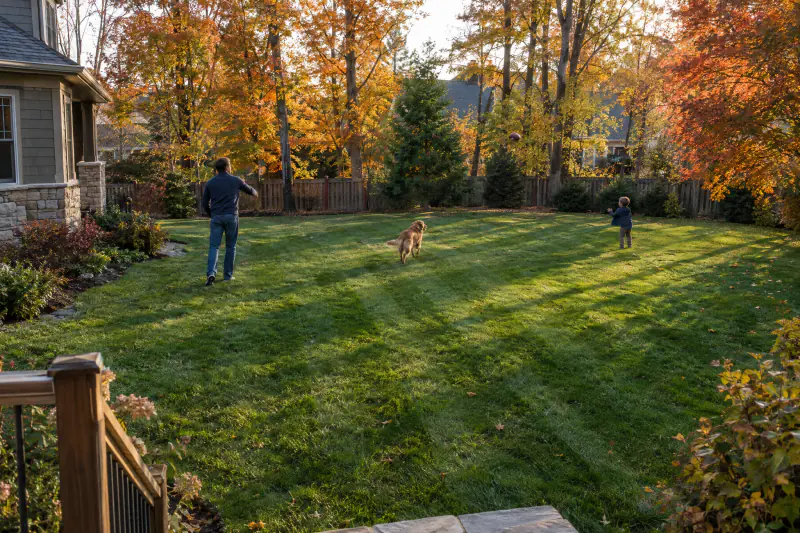
Family playing on a dense fescue lawn in autumn after aeration and overseeding
Fall seeding pays off in a dense lawn

What are the signs a lawn needs aeration and overseeding?

Any two or three of these in late summer are reason enough to book the fall window.

  • You can see soil between grass plants when you look straight down.
  • Brown patch or drought left dead areas that did not recover.
  • A screwdriver is hard to push more than a couple of inches into moist soil.
  • Water runs off or puddles instead of soaking in during irrigation.
  • Crabgrass and other weeds filled the thin spots over summer.
  • Paths worn by children, dogs or mower wheels stay thin all year.

Not sure what you need?

Tell us what you are seeing. We will look at the site, explain the options in plain terms and give you a written estimate.

When should you aerate and overseed in Fairfax, Loudoun, Prince William and Arlington?

The window for aeration and overseeding in Northern Virginia runs from late August to about mid-October, with September the heart of it. Soil is still warm, so seed sprouts within one to two weeks, while cooler nights ease disease pressure and summer weeds fade. Seedlings then get fall and spring to root before their first summer. Western Loudoun towns such as Purcellville cool a little earlier than Alexandria or Woodbridge.

Spring seeding is a weaker second choice. Seedlings meet summer heat with shallow roots, and the crabgrass preventer most lawns receive in spring also stops fescue seed from sprouting.

Watering matters as much as timing: lightly two or three times a day for the first two to three weeks, then deeper and less often. An irrigation controller upgrade makes that easy. If the lawn is too far gone, see sod installation and lawn renovation.

Frequently asked questions about aeration & overseeding

How often should a tall fescue lawn be aerated and overseeded?

Most tall fescue lawns in Northern Virginia do best with aeration and overseeding every fall, because the grass thins each summer and does not spread. A dense, lightly used lawn on decent soil can sometimes skip a year.

How should I water after overseeding?

Keep the top half inch of soil moist until the seed sprouts and for a week after. That usually means light watering two or three times a day for two to three weeks, then once a day, then deeper watering a few times a week after the first mowing.

When can I mow after overseeding?

Mow when the new grass reaches about 3.5 to 4 in., usually three to four weeks after seeding. Use a sharp blade, mow when the lawn is dry and avoid tight turns that tear out seedlings.

Should I rake up the soil plugs after aeration?

No. Leave them. The plugs break down within two to three weeks of watering and mowing, returning soil to the surface and helping cover seed. Raking them up can drag seed out of the holes. They look untidy only briefly.

Can I apply weed killer or crabgrass preventer after seeding?

Not right away. Most pre-emergent products stop grass seed from sprouting, and many broadleaf weed killers injure seedlings. A common rule is to wait until the new grass has been mowed two or three times. Always follow the product label.

Is aeration and overseeding a recurring service plan?

No. We offer it as a single seasonal project, scheduled and priced on its own each fall. We do not mow or sell recurring maintenance plans. Booking again next year is your decision, and there is no contract to cancel.

Ready to talk about your aeration and overseeding project?

Tell us about your property and what you want to fix or build. We will visit, measure and send a clear written estimate. We serve Fairfax, Loudoun, Prince William and Arlington counties.

Page updated . Photos and video on this page are illustrative.