Projects
Before and after: what actually changes
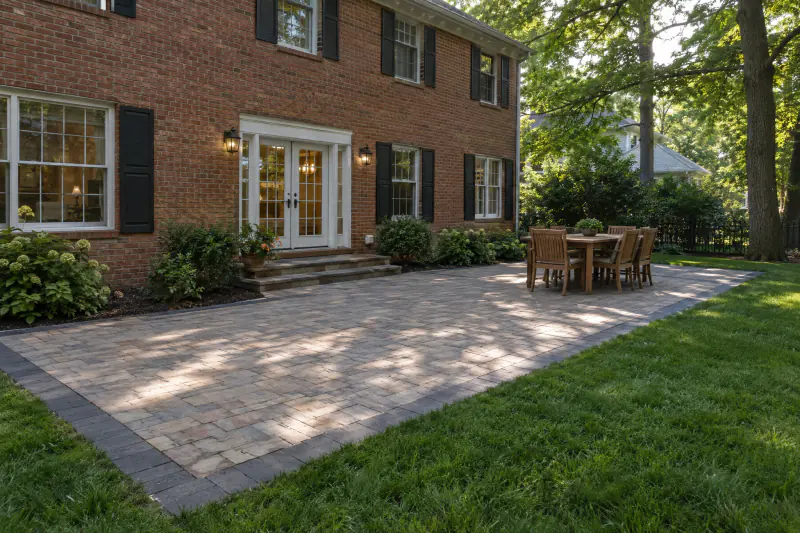
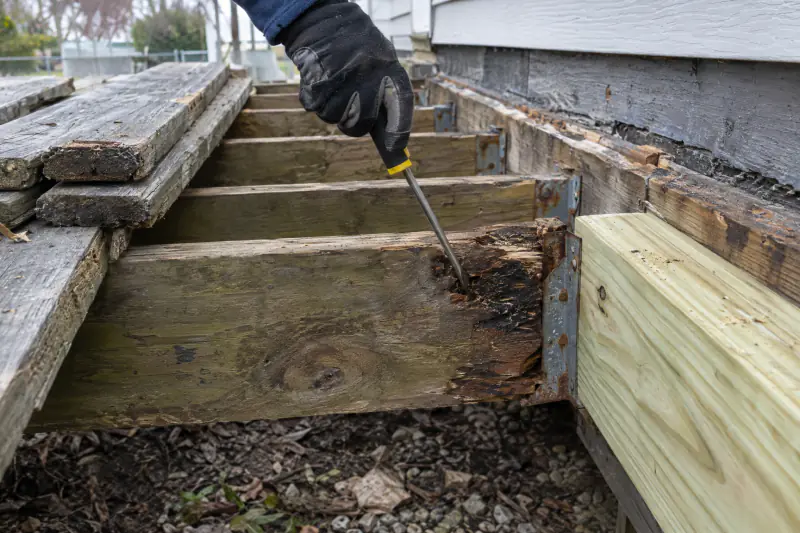
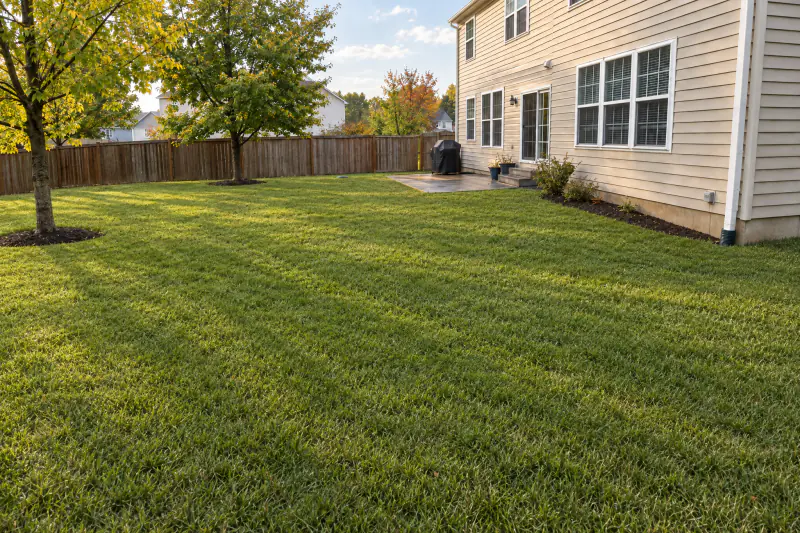
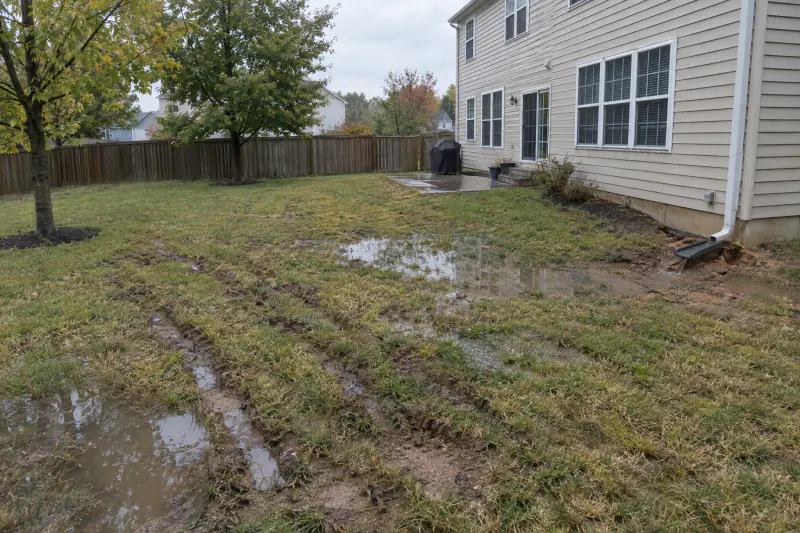
A good before-and-after shows more than a prettier yard. It shows a problem that has stopped: water that no longer ponds, a deck that no longer moves, a patio that stays flat. Below we describe the typical before and the finished after for each kind of project we build at Northern Virginia homes.
See the difference
Drag the handle on each image to compare the starting condition with the finished result.
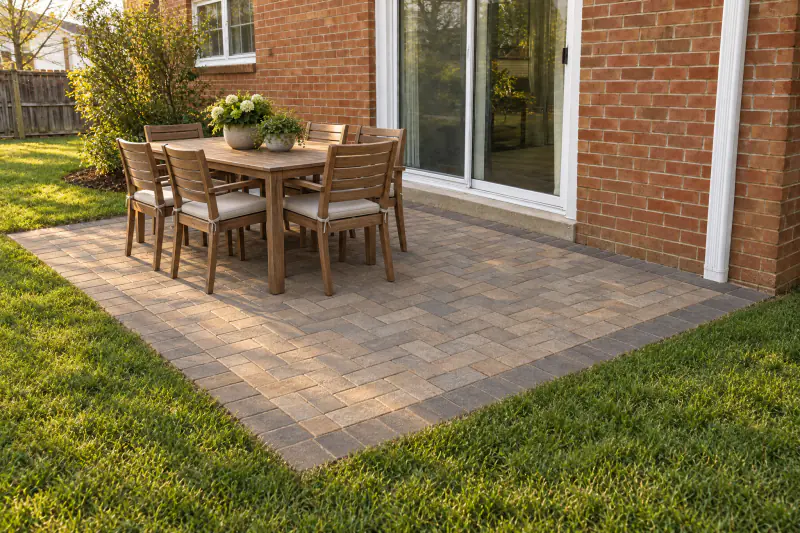
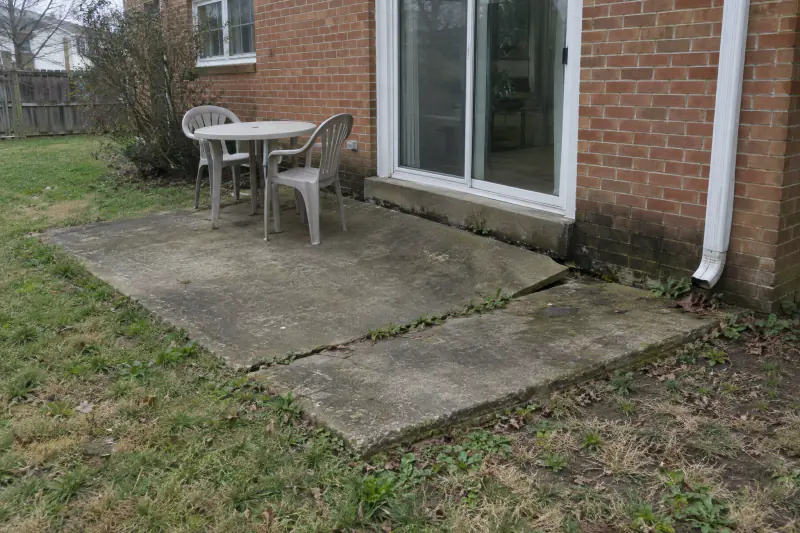
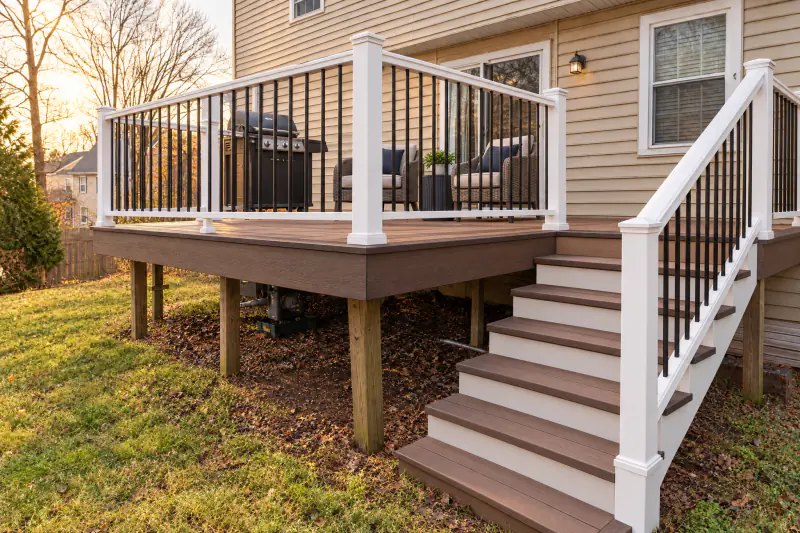
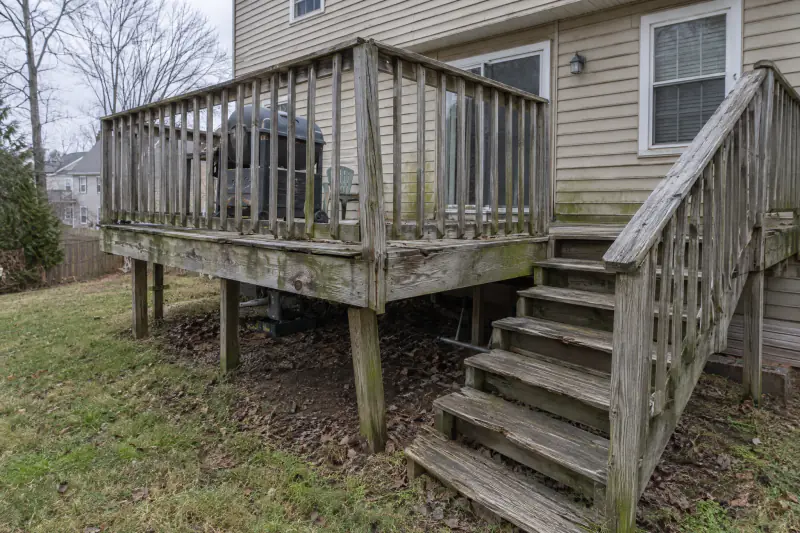
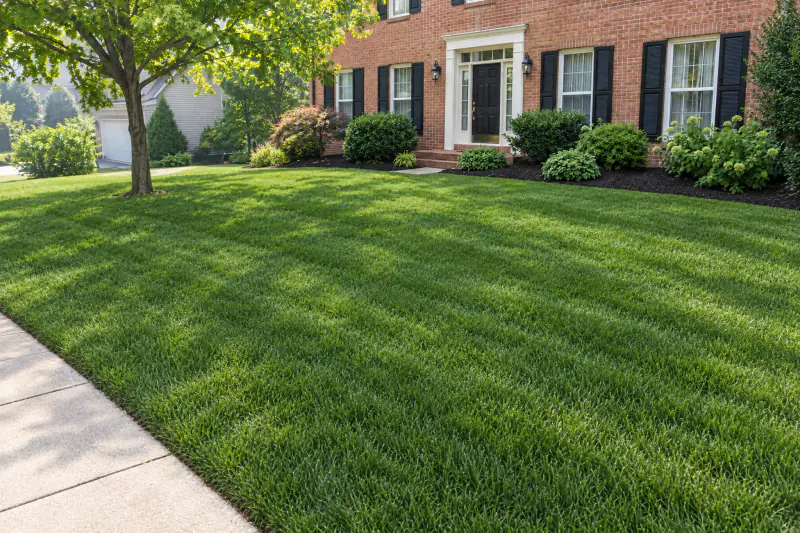
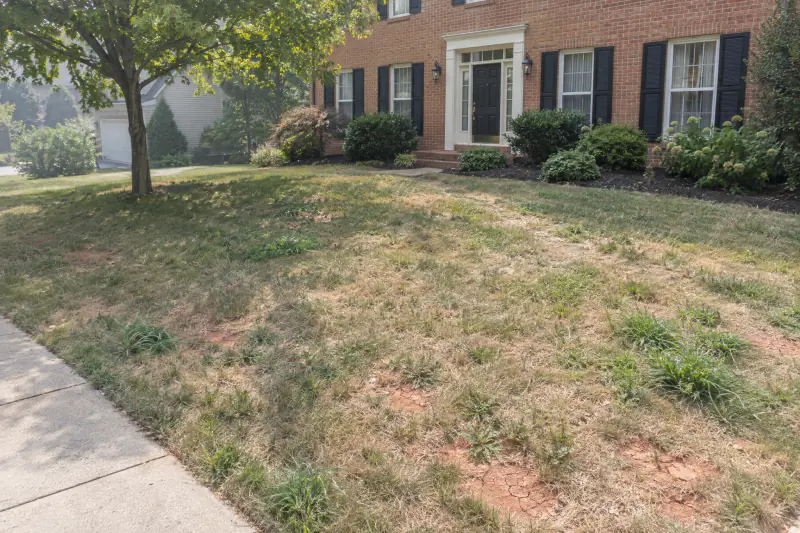
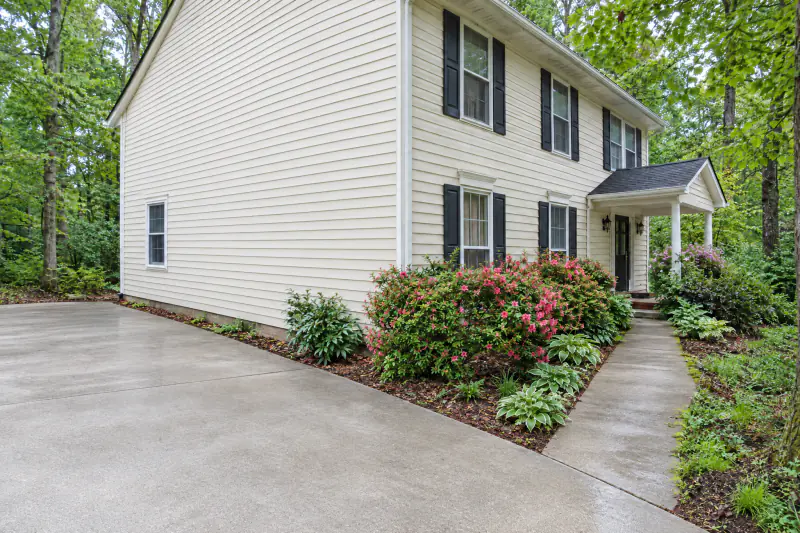
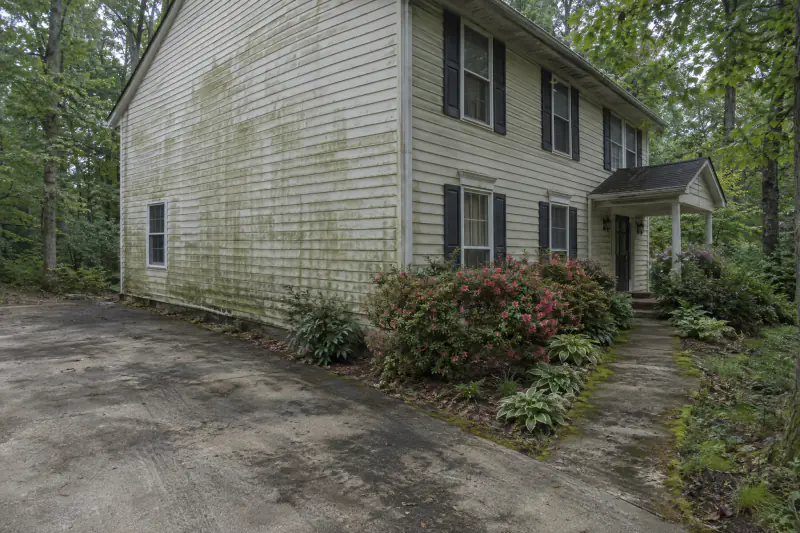
What changes with a new patio, walkway or retaining wall?
| Project | Before | What we do | After |
|---|---|---|---|
| Paver patio | Cracked slab or worn lawn that puddles by the door | Excavate clay, compact aggregate base in lifts, lay pavers pitched away from the house | A flat, firm surface that drains and fits your furniture |
| Front walkway | Narrow, uneven path with a step that tilts | Rebuild on compacted base, set steps with equal risers, restrain every edge | A wide, even walk with a landing at the door |
| Retaining wall | Leaning timber wall or a slope that washes out | Set a level pad, stack block with drain pipe, stone and geogrid where designed | A straight wall with usable, level ground above it |
What changes with a new or rebuilt deck or porch?
| Project | Before | What we do | After |
|---|---|---|---|
| New deck | A back door that opens onto a small stoop | Footings below frost depth, flashed ledger, framing sized from code tables | An inspected deck with solid guards and even stairs |
| Deck resurfacing | Gray, splintered boards and a railing that moves | Evaluate the frame, repair and tape joists, install new decking and railings | A deck that looks new on a frame known to be sound |
| Screened porch | A deck unused on buggy summer evenings | Add footings sized for a roof, frame, flash, screen and wire it | A shaded, insect-proof room for roughly April to November |
What changes with a lawn or landscape project?
Planting and lawn work keeps improving after we leave, so the true after photo is taken a season later.
| Project | Before | What we do | After |
|---|---|---|---|
| Aeration and overseeding | Thin fescue on hard clay | Core aerate in two directions and seed in early fall | Denser turf by late fall, with regular watering |
| Sod installation | Weeds, bare soil and low spots | Strip the old lawn, amend and grade the soil, lay and roll sod | A green lawn the same day, rooted in a few weeks |
| Landscape planting | Overgrown shrubs against the siding | Clear, amend the beds, plant to a scaled plan, edge and mulch | Layered beds that frame the house and stay off the walls |
What changes after drainage work?
Drainage is the least photogenic work we do, because success looks like an ordinary lawn.
| Project | Before | What we do | After |
|---|---|---|---|
| Downspout drainage | Splash blocks, washed-out mulch, damp foundation wall | Pipe each downspout underground in solid pipe to a lower outlet | Roof water released well away from the house |
| French drain | Lawn that stays soft for days after rain | Trench, fabric, washed stone and perforated pipe sloped to an outlet | Ground firm enough to mow soon after a storm |
| Grading and catch basins | Water standing in a low spot or running at the house | Reshape the grade, set a basin at the true low point, pipe it away | Runoff that moves around the house instead of toward it |
What changes after exterior cleaning, staining or sealing?
Cleaning gives the fastest before and after, and the easiest one to fake with too much pressure.
| Project | Before | What we do | After |
|---|---|---|---|
| House soft wash | Green algae on the north side, dark streaks under eaves | Apply solution at low pressure, let it work, rinse gently, protect plants | Clean siding with no etching or forced water behind it |
| Driveway and walks | Dark, slick concrete with patchy stains | Pre-treat, clean with a surface cleaner, post-treat | Even color from apron to garage, without wand stripes |
| Deck cleaning and staining | Gray, weathered boards with a failing finish | Clean at low pressure, brighten, dry, then stain | Even color with the grain intact, not furred or gouged |
What does not show in a before-and-after photo?
The parts that decide how long the work lasts are almost always hidden in the finished picture. The difference is under the pavers: how deep the aggregate base is, whether it was compacted in lifts, and whether fabric separates it from the clay.
The same is true elsewhere. Deck footings are buried, ledger flashing sits behind siding, and the drain pipe behind a retaining wall is covered with stone and soil. Slope is nearly invisible to a camera, yet a patio pitched the wrong way sends water to your door, and a drain pipe without fall holds water instead of moving it.
This is why progress photos matter more than glamour shots, and why our written scopes state depths, materials and slopes in numbers. Our glossary explains each of those terms.
What should I look for in any contractor's before-and-after photos?
- Both photos are taken from the same spot, so you can compare the same house and yard.
- There are progress photos of the base, footings, framing or open trench, not only the finished surface.
- The after photo shows where water goes: visible pitch, drain outlets, downspouts connected.
- Decks are photographed from below as well as above, showing hardware, posts and flashing.
- Cleaned wood and siding show no stripes, furring or etching from too much pressure.
- The contractor can tell you the base depth, footing depth or slope used on that project.
Related services

Paver Patios
A paver patio is an outdoor floor of concrete, porcelain or natural-stone units laid over a compacted stone base instead of a poured slab.
Learn more
Custom Deck Building
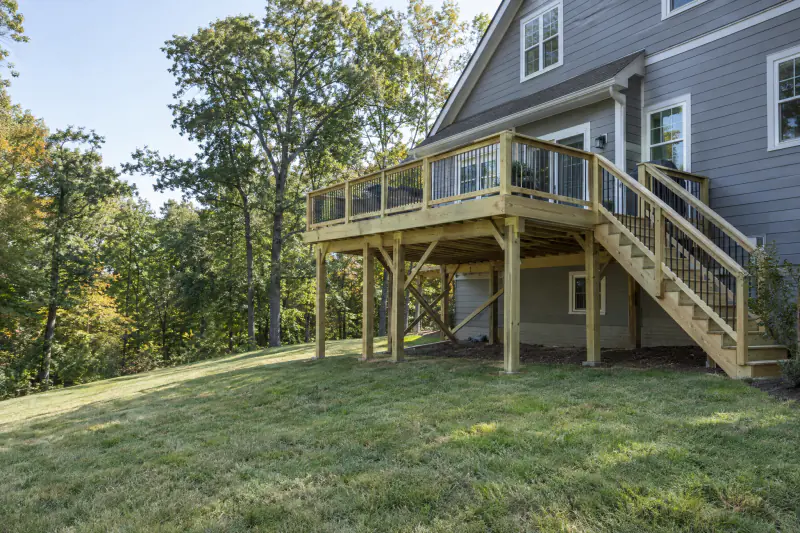
Custom deck building is the design and construction of a new pressure-treated wood or composite deck sized to your house and yard.
Learn more
Yard & Foundation Drainage
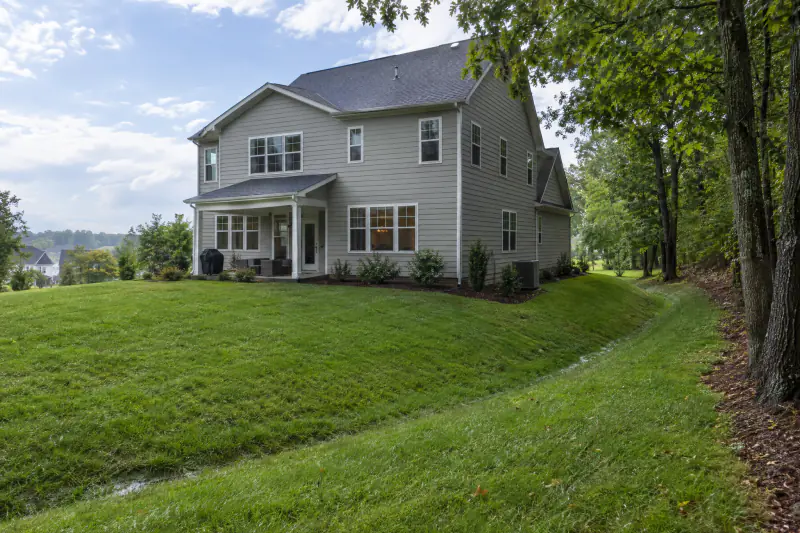
Yard drainage solutions collect and redirect surface water with grading, swales, catch basins, channel drains and dry wells so rain leaves the lawn and moves away from the house.
Learn more
Pressure Washing
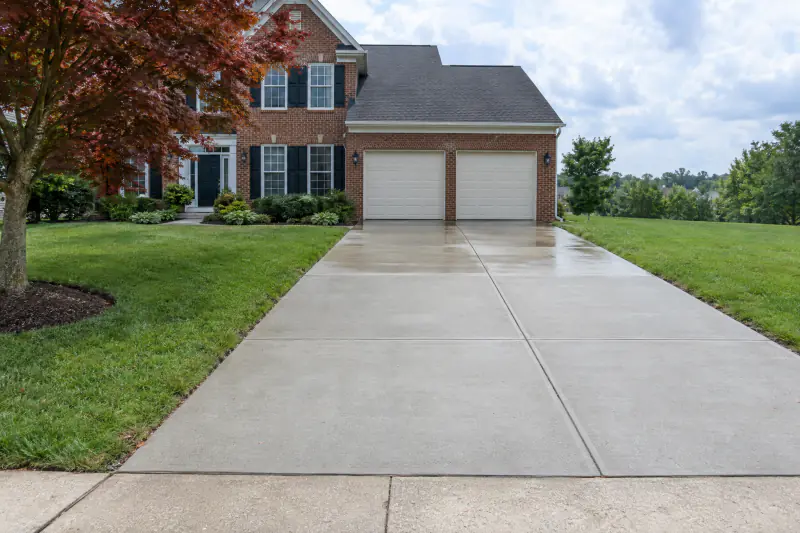
Pressure washing uses pressurized water, usually through a rotating surface cleaner, to lift algae, mildew, dirt and stains from hard flatwork such as concrete driveways, sidewalks, patios and pool decks.
Learn more
More from our projects
Let's talk about your yard.
Tell us what you have in mind. We will walk the property with you, explain your options plainly and put the scope and price in writing.
Serving Fairfax, Loudoun, Prince William and Arlington counties and the cities inside them. Check your address. Military, veterans, first responders, healthcare workers and teachers: ask about the Heroes Discount.