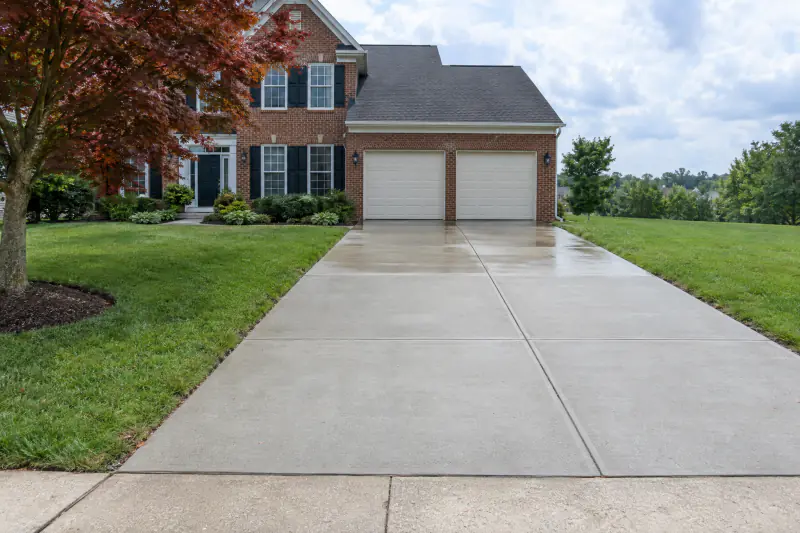
  • Serving the Northern Virginia area
Call (571) 200-9600 Get an Estimate
Exterior Cleaning

Paver Cleaning and Sealing in Northern Virginia

Paver cleaning and sealing is a restoration service that deep cleans pavers, treats stains and white efflorescence haze, refills the joints with polymeric sand and applies a protective sealer. myYardPros provides it for Northern Virginia homeowners whose paver patios, walkways or driveways have faded, grown weeds or moss in the joints, or lost the sand that locks the pavers together.

  • Joints refilled with polymeric sand
  • Efflorescence and stains treated before sealing
  • Sealer applied only to dry pavers
  • Licensed & insured in Virginia
  • Based in Sterling, VA
  • Residential projects only
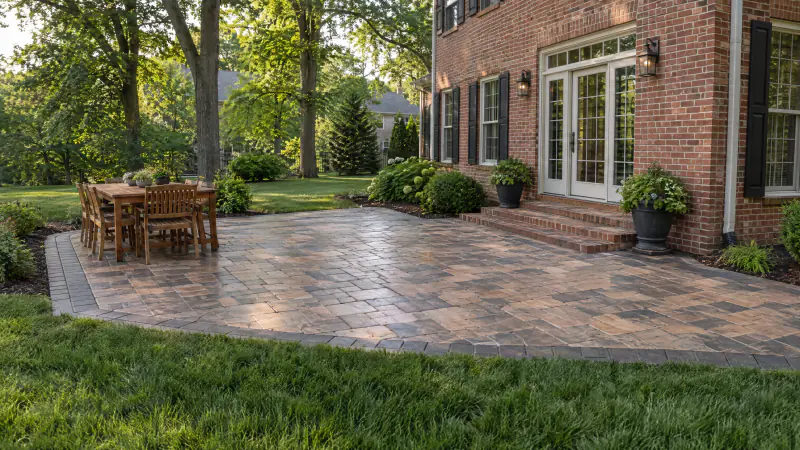
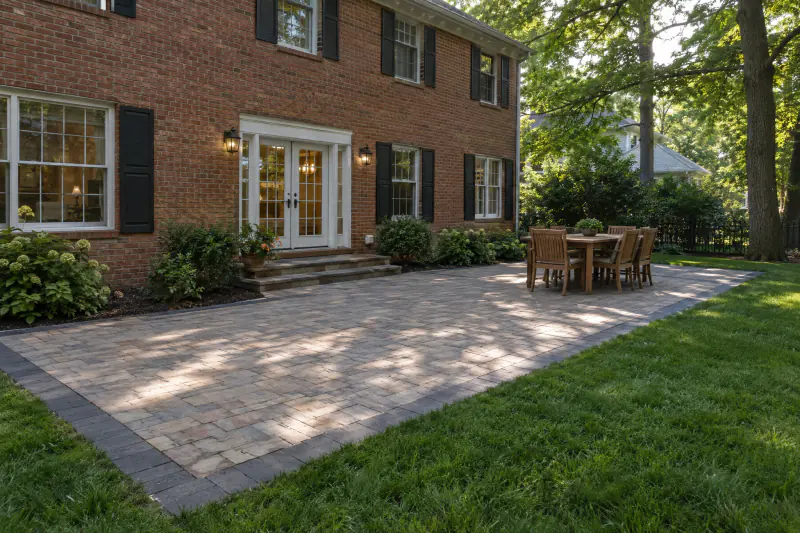
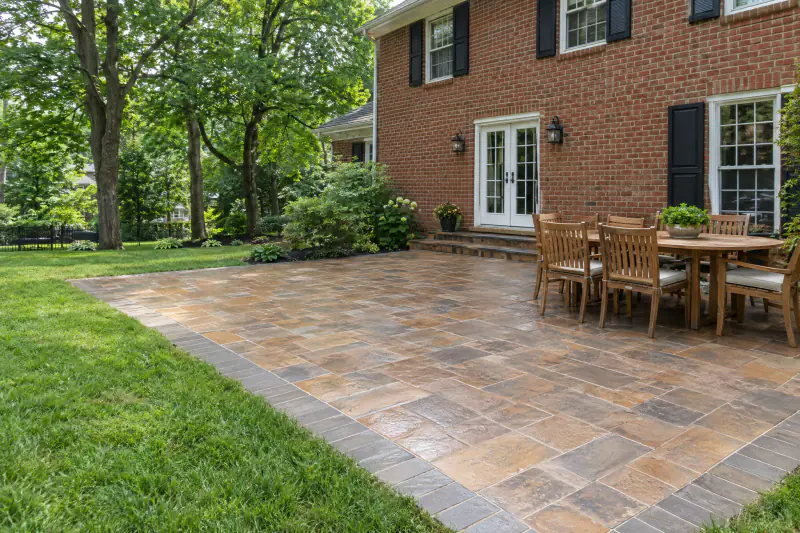
Paver patio with full sand joints after paver cleaning and sealing
Clean pavers, full joints and a satin sealer
Typical timeline
2-3 visits over several days
Permit
Not typically required
Best season
Late spring to early fall
Reseal interval
Typically every 2-4 years

Why do pavers need cleaning, re-sanding and sealing?

Pavers need periodic maintenance because the sand in their joints is what holds the surface together, and weather steadily removes it. Rain, freeze-thaw cycles, ants and leaf blowers empty the joints over time. Once the sand drops, pavers start to shift at the edges, weeds and moss take root, and water runs straight down into the bedding layer.

The surface ages too. Sun fades the pigment, humid Northern Virginia summers grow algae in shaded corners, and a white mineral haze called efflorescence can rise out of the concrete.

Shortcuts are where these jobs go wrong. Sealing over dirt or efflorescence locks it in, sealing damp pavers can turn the sealer cloudy, and polymeric sand left on the paver faces hardens into a haze. Proper work is a sequence: clean, treat, dry, sand, seal, cure. Planning a new patio? See paver patios.

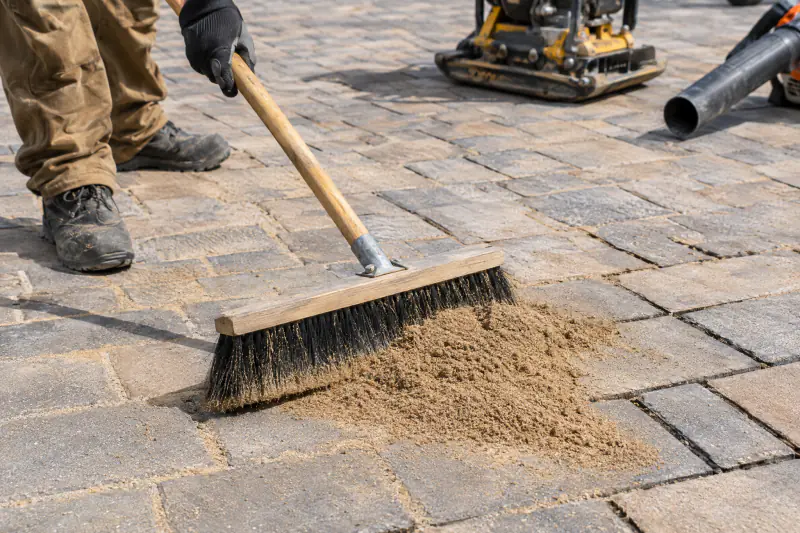
Polymeric sand swept into paver joints during paver cleaning and sealing
Polymeric sand swept into dry joints

What is included in paver cleaning and sealing?

A full restoration covers the surface, the joints and the protective coat.

  • Deep cleaning

    A surface cleaner at moderate pressure lifts algae, moss and ground-in dirt from the paver faces, while a controlled wand pass flushes weeds and failed sand out of the joints to the depth new sand needs.

  • Stain and efflorescence treatment

    Grease, rust, leaf tannins and red clay each get a cleaner made for that stain. White efflorescence haze is dissolved with a cleaner formulated for concrete pavers and rinsed thoroughly, since harsh acids can etch the paver face.

  • Polymeric re-sanding

    Once the pavers are dry, polymeric sand is swept into the joints, compacted, topped up and blown off the surface, then misted to activate the binders that resist washout, weeds and ants.

  • Sealing

    A sealer chosen for the look you want, from invisible to color-enhancing, is applied evenly to dry pavers. It slows fading, staining and joint erosion.

How does the paver cleaning and sealing process work?

The work is spread over several days because drying time cannot be rushed.

  1. Site visit and test area

    We measure the area, check for sunken or rocking pavers, failed edge restraints and drainage problems, identify any existing sealer, and test a small spot.

  2. Clean and treat

    We clean the surface, flush the joints, treat stains and efflorescence, and rinse everything away from the house. Loose or low pavers can be lifted and reset at this stage.

  3. Dry time

    Pavers and joints must dry before sand goes in, which typically takes one to two days of dry weather and longer in shade or humidity.

  4. Re-sand the joints

    Polymeric sand is swept in, compacted so it settles, refilled to just below the paver edge, and cleared from the surface with a blower. A light, repeated mist activates it without washing binder onto the pavers.

  5. Seal, cure and walkthrough

    After the sand has set, sealer is applied in even coats and left to cure. We explain when you can walk and drive on it, then review the finished surface with you.

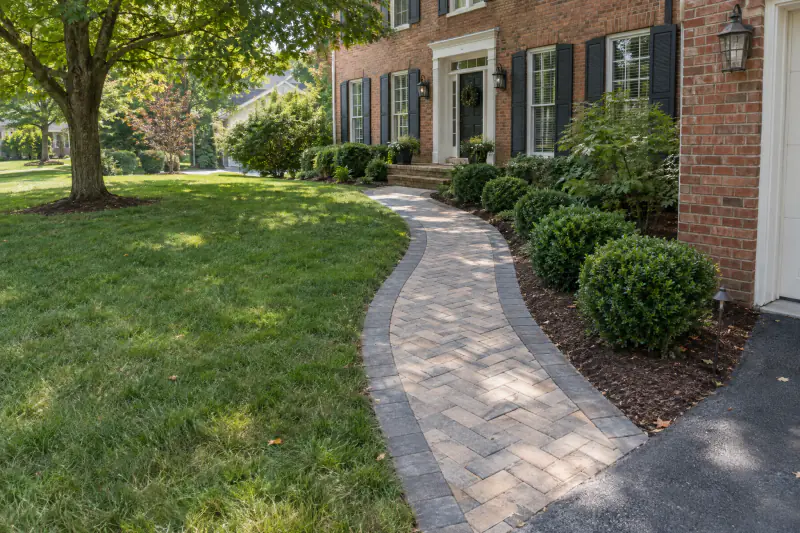
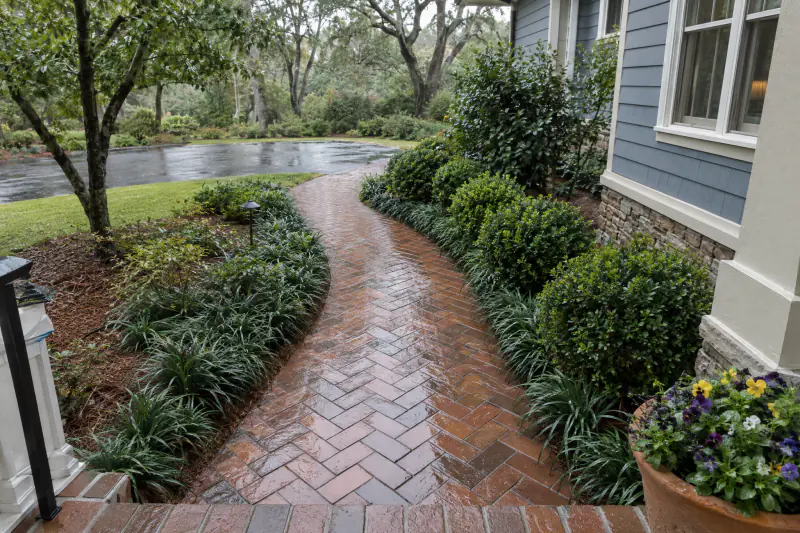
Rain beading on a sealed paver walkway

A slow move along a sealed herringbone paver walkway after rain, showing water beading on the surface and tight, sand-filled joints between the pavers.

Which paver sealer is right: natural look, matte or wet look?

Sealers differ mainly in how they change the appearance and how they wear.

Penetrating (natural look)Water-based film (matte to satin)Solvent-based (wet look)
AppearanceLittle or no visible changeMild color enhancement, low sheenDarker, richer color with gloss
Joint sandDoes not bind the sandMany products stabilize joint sandSome hold on the sand surface
Traction when wetUnchangedUsually close to unsealedCan be slick, grip additive advised
Typical reseal intervalAbout 3 to 5 yearsAbout 2 to 4 yearsAbout 2 to 3 years
Watch forNo color boost if pavers are fadedNeeds a dry surface and mild weatherCan cloud if moisture is trapped, buildup may need stripping

What are the signs pavers need cleaning and sealing?

Walk the surface after a rain and look closely at the joints.

  • Joint sand sits well below the paver edges or is missing entirely.
  • Weeds, moss or ant hills keep appearing between the pavers.
  • Color looks faded and chalky compared with pavers under a planter or mat.
  • A white powdery haze returns after the surface dries.
  • Water soaks in immediately instead of beading on a previously sealed surface.
  • Old sealer looks patchy, cloudy or is flaking in traffic lanes.

Not sure what you need?

Tell us what you are seeing. We will look at the site, explain the options in plain terms and give you a written estimate.

How much does paver cleaning and sealing cost in Northern Virginia?

Paver cleaning, polymeric re-sanding and sealing in Northern Virginia typically costs about $1.50 to $4 per square foot as of 2026, which puts many patios and walkways between roughly $600 and $2,500. Cleaning alone costs less. These are market planning ranges, not myYardPros quotes.

What moves the number: total square footage, how much joint sand has to be removed and replaced, joint width, the amount of efflorescence and staining, and the sealer type and number of coats. Stripping a failed old sealer adds significant labor. Lifting and resetting settled pavers is repair work, priced separately.

We price after a site visit. Request an on-site estimate or call (571) 200-9600.

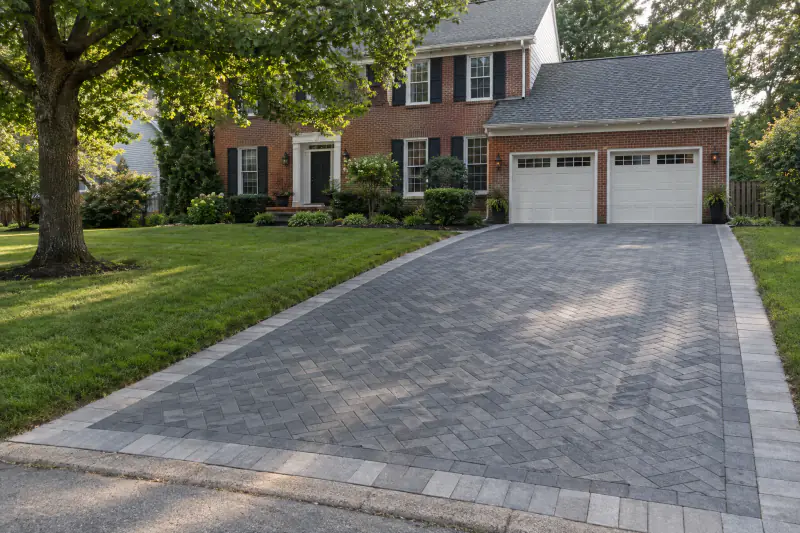
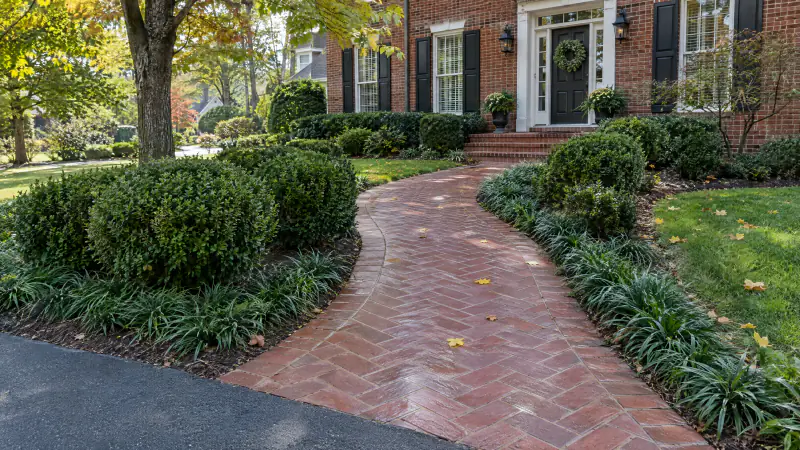
Rainwater beading on a herringbone walkway after paver cleaning and sealing
Water beading on sealed pavers after rain

Paver cleaning and sealing in Fairfax, Loudoun, Prince William and Arlington

We clean and seal paver patios, walkways, pool surrounds and driveways across Fairfax, Loudoun, Prince William and Arlington counties, including Leesburg, Aldie, Purcellville, Reston, Lorton and Dumfries. Permits are not typically needed.

Sealers and polymeric sand generally need mild temperatures, commonly above about 50 degrees, and a dry window of a day or more, so late spring through early fall is the working season.

Clay soil is the other local factor. When pavers sink or heave, the cause is usually the base or water beneath it, and sealing will not correct that. We can assess whether a section needs rebuilding as part of our paver driveway and patio work, or whether yard drainage should come first.

Frequently asked questions about paver cleaning & sealing

How long after sealing can I walk or drive on pavers?

Most sealers allow light foot traffic after about 24 hours and vehicles after 48 to 72 hours, depending on the product, temperature and humidity. Keep sprinklers off and furniture, planters and mats away for a few days so nothing imprints or traps moisture.

How often should pavers be sealed?

Most paver surfaces here are resealed every two to four years. Full sun, vehicle traffic, pool chemicals and de-icing salt shorten the interval, while covered or lightly used patios go longer. A simple test: if water darkens the pavers and soaks in quickly instead of beading, the sealer has worn off.

What is the white haze on my pavers?

It is usually efflorescence, natural salts carried to the surface by moisture moving through concrete pavers, which dry as a white powder. It is cosmetic and common on newer installations. It should be removed with a suitable cleaner before sealing, or the sealer will trap it underneath.

How soon can new pavers be sealed?

Many paver manufacturers suggest waiting roughly 60 to 90 days or longer after installation, so efflorescence has time to surface and be cleaned off. Check the guidance from your paver maker, and confirm the pavers are clean and completely dry before any sealer is applied.

Does polymeric sand stop weeds permanently?

No, but it helps considerably. Polymeric sand hardens in the joint and resists washout, ants and seeds rooting from below. Over the years, windblown dirt settles on top and seeds can sprout in that layer. Occasional rinsing and resealing on schedule keep joints tight far longer than plain sand.

Will sealing make my pavers slippery?

Penetrating and most matte water-based sealers leave traction close to unsealed pavers. High-gloss, film-forming sealers can be slick when wet, especially on smooth pavers and around pools. A grip additive mixed into the final coat reduces that. Tell us where the surface gets wet and we will recommend a suitable finish.

From the field notes

Long-form guides on paver cleaning & sealing from the crew that does the work, with Northern Virginia costs, timing and permit detail.

Exterior Cleaning

Paver cleaning and sealing guide

Efflorescence that must come off first, joints flushed to the right depth, polymeric sand activated without haze, and a sealer chosen for breathability as much as looks. The full sequence for Northern Virginia pavers.

The myYardPros Crew

All guides in this category  ·  Planning guides  ·  Glossary  ·  FAQ

Ready to talk about your paver cleaning and sealing project?

Tell us about your property and what you want to fix or build. We will visit, measure and send a clear written estimate. We serve Fairfax, Loudoun, Prince William and Arlington counties.

Serving Fairfax, Loudoun, Prince William and Arlington counties and the cities inside them. Check your address. Military, veterans, first responders, healthcare workers and teachers: ask about the Heroes Discount.