  • Licensed & Insured VA Licensed Contractor
  • Serving the Northern Virginia area
Call (571) 200-9600 Get an Estimate
Sod vs. Seed: a Northern Virginia home and yard

Comparison guide

Sod vs. seed: which is right for your lawn?

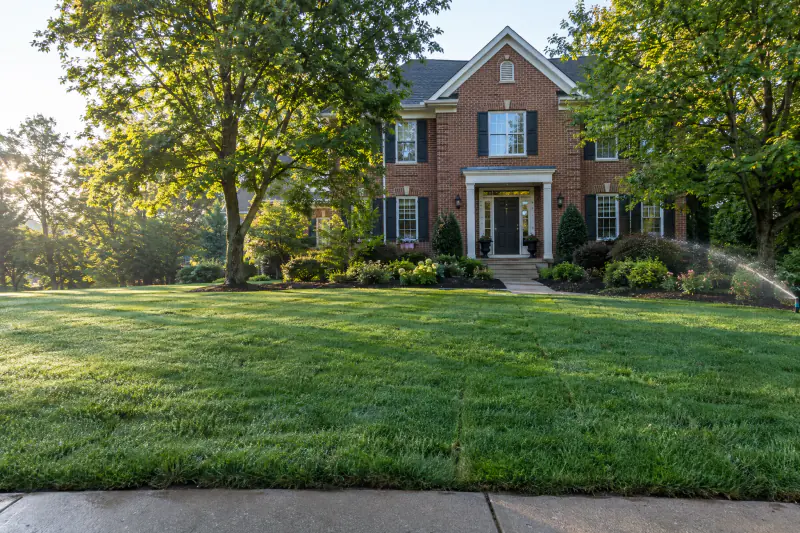
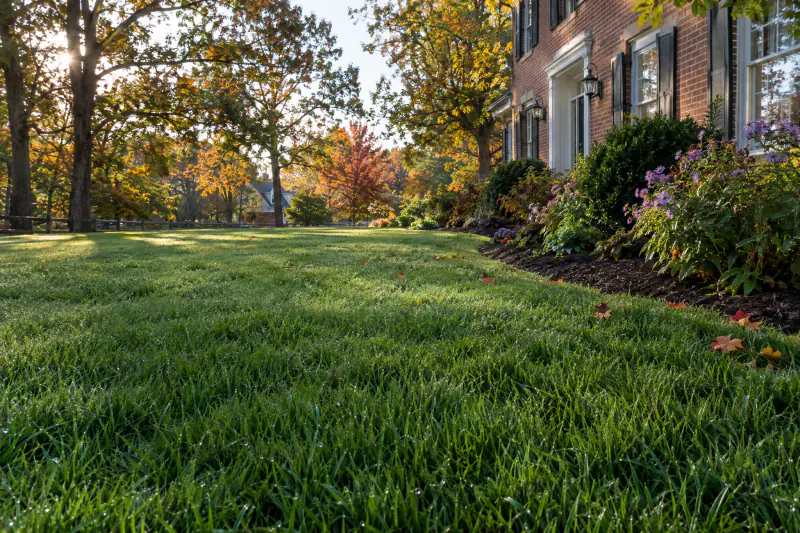
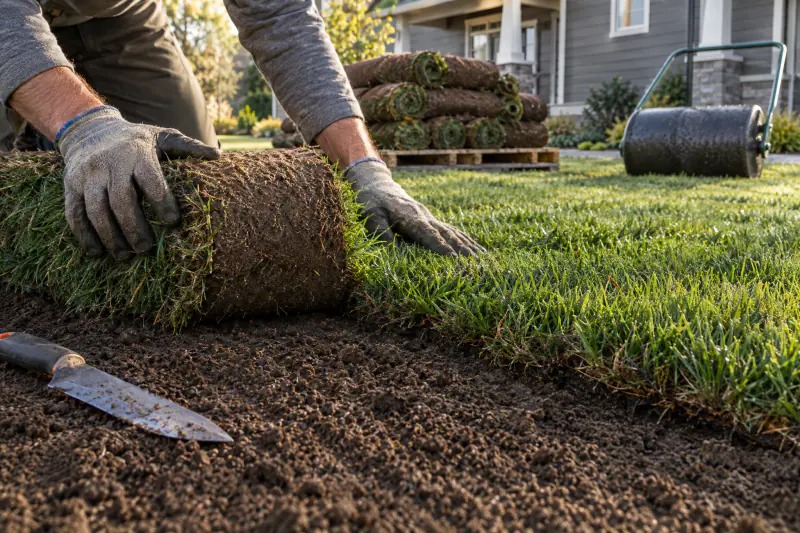
Sod is right when you need a finished lawn quickly, have slopes that would wash out, or are working outside early fall. Seed is right when the calendar says late August to mid-October, the budget is tight, and you can water and wait. In Northern Virginia both use tall fescue, and both depend on the soil preparation underneath.

Is sod or seed better for a Northern Virginia lawn?

Neither is better in every yard. Sod buys time and certainty. Seed saves money and asks for patience. A year later, with the same soil preparation and care, the two lawns can be hard to tell apart, because both are turf-type tall fescue.

What you are really choosing is how the first three months go. With sod, the yard is green the day the crew leaves, and children and dogs are back on it in about a month. With seed, you look at straw-colored soil, then a green haze, then thin grass that needs a full fall and spring to thicken. Seed also has a narrow season here. Sown in early fall it does well. Sown in late spring it meets July with shallow roots and often loses.

One thing is not a choice: preparation. Sod laid over hard clay and seed scattered on it both disappoint. Our sod installation and lawn renovation page explains the soil work both methods share.

Sod vs. seed compared

Assuming the old lawn is removed and the soil is loosened, amended and graded in both cases.

Tall fescue sodRenovation by seed
Typical cost per sq ft$2 to $4$0.50 to $1.50
Looks finishedThe same dayAfter several weeks, fuller by next spring
Planting windowFall or spring, summer with heavy wateringLate August to mid-October
Watering at the startOnce or twice a day for about two weeksLightly two or three times a day for two to three weeks
Normal useAfter about 3 to 4 weeksOften 2 to 3 months
SlopesHolds soil right awayCan wash out before roots form
Weeds in year oneFew, the turf is already denseMore, until the grass fills in
Variety choiceWhat the sod farm growsAny blend you choose

Costs are typical Northern Virginia market ranges as of 2026 including removal and soil preparation, not myYardPros prices.

When should you choose sod, seed, or overseeding?

  • Choose sod if

    you need the lawn usable within a month, the yard slopes, it is spring or late fall, you are selling the house, or bare clay after construction is tracking mud indoors.

  • Choose seed if

    it is early fall, the area is large enough that sod would strain the budget, the ground is fairly level, and you can keep the surface moist for the first few weeks.

  • Choose overseeding instead if

    more than about half of the lawn is still desirable grass. Aerating and seeding into the existing turf thickens it for a fraction of what starting over costs.

  • Choose neither if

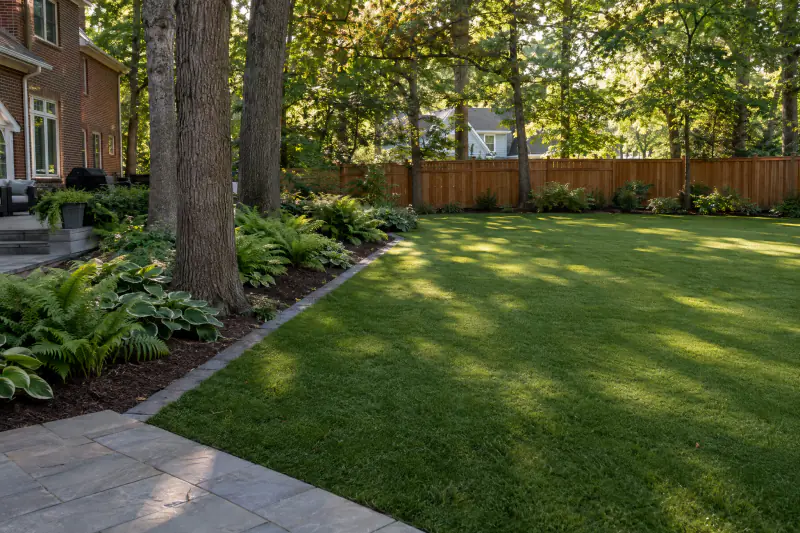
    the spot is in deep shade under mature trees or stays wet after every rain. Fix the drainage first, or consider a shade planting bed or synthetic turf where grass will not grow.

How much does sod cost compared with seed?

Sod costs several times what seed does for the same lawn. As typical Northern Virginia market ranges as of 2026, professionally installed tall fescue sod runs about $2 to $4 per sq ft, including removal of the old lawn and soil preparation, so a 5,000 sq ft lawn often falls between $10,000 and $20,000. Full renovation by seed with the same preparation commonly runs $0.50 to $1.50 per sq ft. These are general market ranges, not myYardPros prices.

If the lawn only needs thickening, core aeration with overseeding typically costs about $300 to $800 for a suburban lawn of 5,000 to 10,000 sq ft.

The same factors move every one of these numbers: grading and whether soil must be brought in or hauled out, the amount of compost, access through the gate, slopes and tree roots, and size, since small lawns cost more per square foot. Irrigation and drainage are priced separately. Many homeowners split the difference: sod in the front yard and on slopes, seed in the back. For a number based on your lawn, request an on-site estimate.

What mistakes ruin a new lawn?

Sod and seed fail for different reasons, but most are avoidable.

  • Laying sod over the old lawn or over hard, unloosened clay.
  • Seeding in late spring, so seedlings face summer heat with shallow roots.
  • Applying crabgrass preventer near seeding time, which also stops grass seed from sprouting.
  • Letting new sod dry out in the first two weeks, even for one hot afternoon.
  • Watering seed heavily once a day instead of lightly several times.
  • Leaving low spots ungraded, so part of the new lawn drowns.

Our recommendation: let the calendar and the slope decide

Start with the date. If it is between late August and mid-October and you can wait for results, seed gives the most lawn for the money. Any other time of year, sod is the safer route, with fall and spring the easiest seasons and summer possible only with heavy watering.

Then look at the ground. Slopes, swales and areas where rain concentrates should be sodded even in seeding season, because one thunderstorm can carry seed and topsoil to the bottom of the hill. If puddles stand on the lawn, see yard drainage solutions before spending on either.

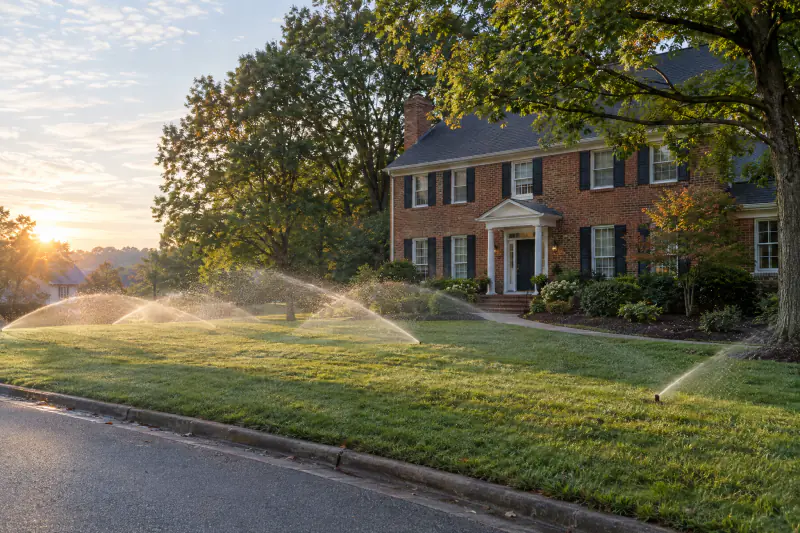
Last, be realistic about water. Both methods need frequent watering at the start, and a hose and a timer are enough if someone is home. A sprinkler system makes that first month far more reliable. Not sure which camp your lawn is in? We will tell you on site, including when the honest answer is to overseed and keep what you have.

Common questions

Can I seed a lawn in spring in Northern Virginia?

You can, but it is the weaker option. Spring seedlings reach summer with shallow roots, and heat, drought and disease thin them out. The crabgrass preventer most lawns receive in spring also stops fescue seed from sprouting, so you must skip it where you seed. Early fall is far more forgiving.

Is sod a different grass from what I would seed?

Usually not. Sod grown for this region is turf-type tall fescue, typically with a little Kentucky bluegrass to help it knit together, and that is also what we seed. The difference is age. Sod arrives as mature turf grown on a farm, while seed starts from nothing in your soil.

Does a sodded lawn stay better than a seeded one?

Not permanently. Sod starts denser and with fewer weeds, which is a real advantage in the first year. After that, mowing height, watering, soil and shade decide how the lawn looks. Tall fescue thins a little every summer whichever way it was planted, so periodic fall overseeding keeps both thick.

Can I just throw seed on bare spots?

It rarely works on hard clay. Seed needs contact with loose soil and steady moisture, and on a compacted surface it dries out or washes away. For small patches, loosen the top inch or two, mix in a little compost, seed, press it in and keep it damp until it sprouts.

How long before a seeded lawn looks full?

Tall fescue typically sprouts in one to two weeks with steady moisture and can be mown in about three to four weeks. It looks like a lawn by late fall but stays thin through winter. Expect it to fill in properly the following spring, and to benefit from overseeding the next fall.

Let's talk about your yard.

Tell us what you have in mind. We will walk the property with you, explain your options plainly and put the scope and price in writing.